What are you looking for?
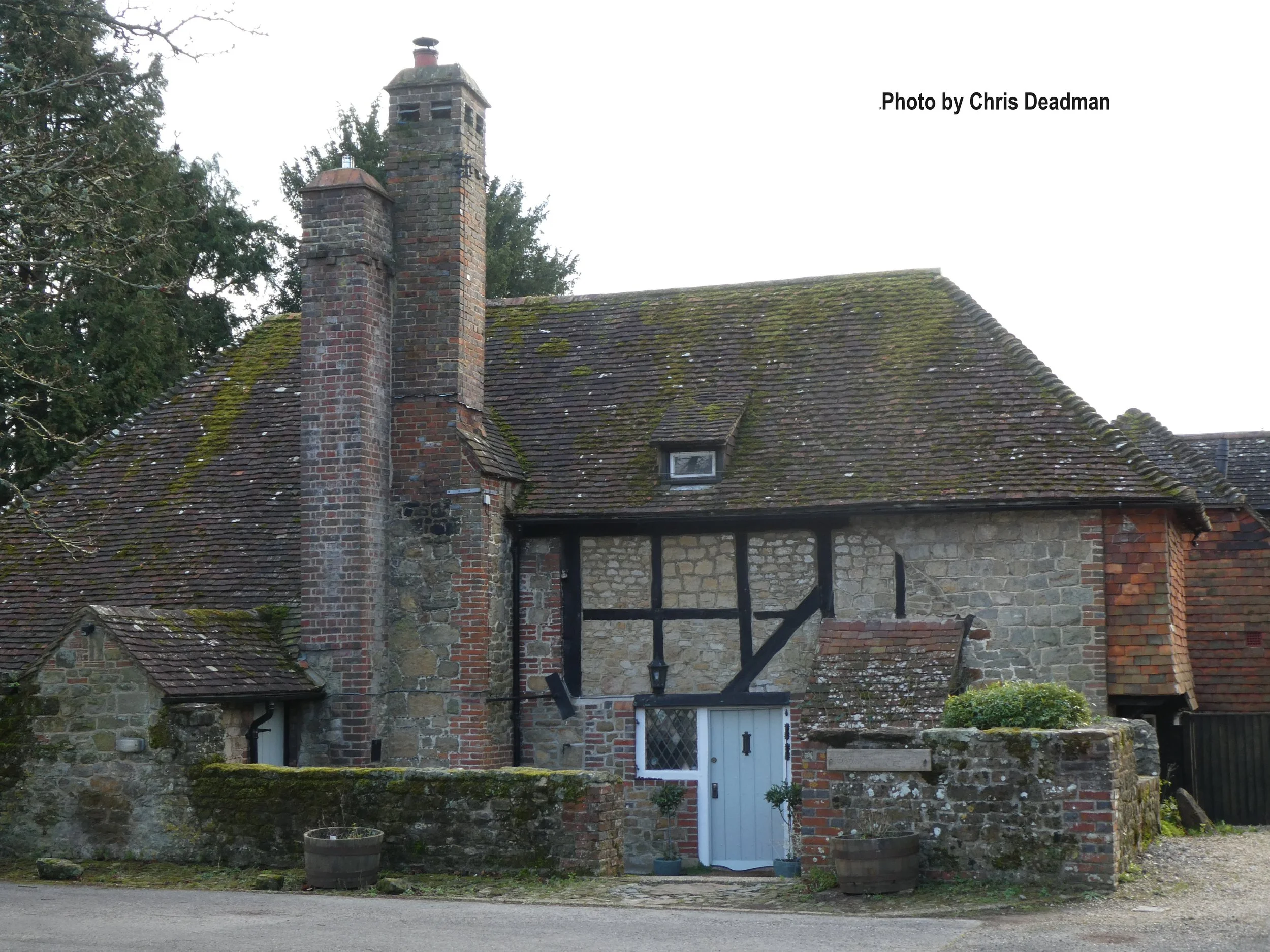
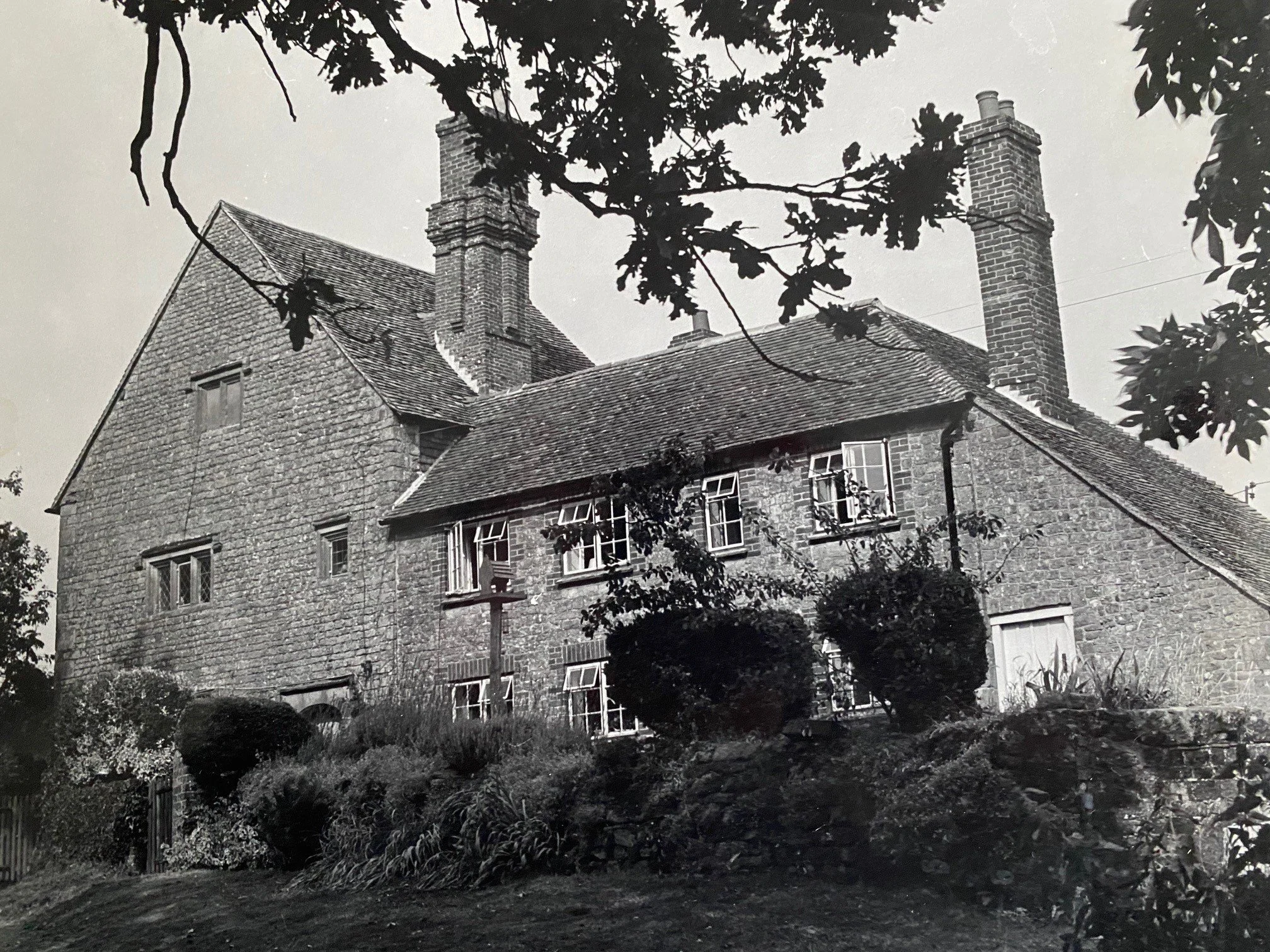
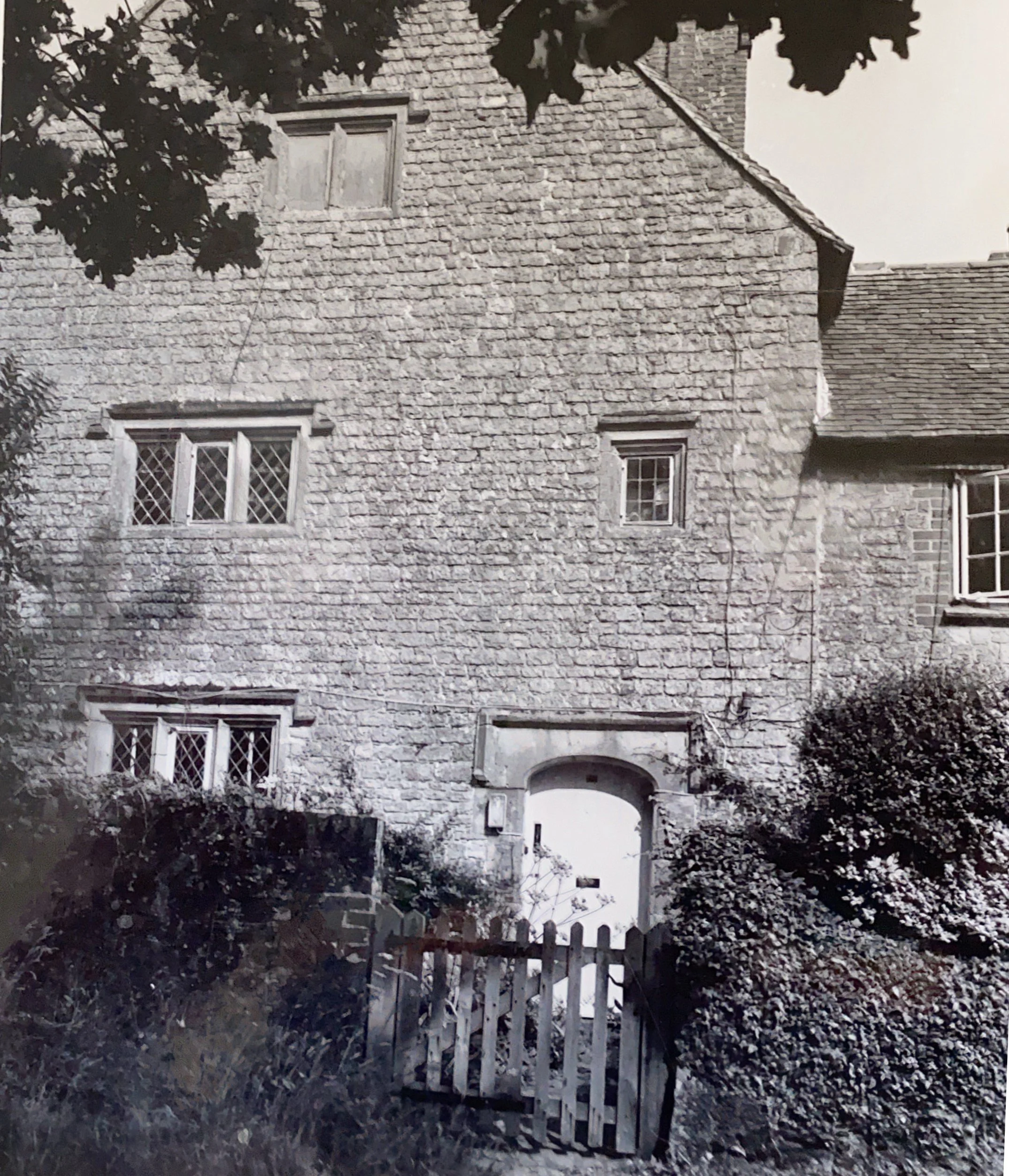
Easebourne (West), Hollist Lane
Dawslea Cottage
Listed 26.11.87, Grade II
House. Restored C17 or earlier timber-framed house with stone rubble infilling. First floor of west front tile-hung and over sailing. Hipped tiled roof. Casement windows. Red brick chimney breast on north wall. 2 storeys. 2 windows.
Listing NGR: SU8906322808
Dawslea Cottage
Dawslea Cottage (and the building located next door, Dawslea Barn; not a listed building) were once part of a farm; sometimes referred to as Dodsley or Dawslea Farm.
In the 1840’s the Landowner and Occupier of Dodsley Farm was Pruett Dennett. Cowdray records called the “Apportionment of Rent Charge” show that Pruett owned Dodsley Farm house, the garden, barn, yard and a few arable fields. At this time Pruett would have been in his mid-late twenties. In the census’ records of 1851 and 1861, Pruett’s occupation is noted as a “Farmer” and he was residing in West Street, Midhurst. Pruett was buried in Easebourne by Rev. E. Tufnell in July 1876 aged 61.
Dawslea Cottage
Sometime between 1917 and 1922 it appears the farm ceased operation and the two buildings became separate entities.
Dodsley Farm was the home of William and Fanny Boxall in 1917 when they received notice of the death of their son, Lincoln William Boxall; an “Ordinary Seaman” in the Royal Navy with HMS Hercules. Lincoln had joined the Navy in January 1916 as a “Boy 2nd Class” on H.M.S. Impregnable, becoming a “Boy 1st Class in August 1916, finally becoming an Ordinary Seaman in May 1917 a few days before his eighteenth birthday. The World War I Naval Casualties record says he was “Killed or Died as a result of an accident”. Lincoln is buried in the Commonwealth War Graves Cemetery on Hoy in Orkney.
Dawslea Cottage
Reginald Leonard (Bill) Haine, the decorated First World War veteran, and his wife Dora were occupants of Dawslea Cottage in the period after the War. An application for a 1914 Star medal was made on behalf of Reginald in 1922 and the medal index card shows it was sent to Dawslea Cottage.
Reginald was born in London in July 1896 and enlisted in the Honourable Artillery Company on 28th August 1914, eleven months underage. He was commissioned in 1916 and awarded the Victoria Cross for his actions as company commander near Gavrelle in April 1917 during the battle of Arras. The following year Reginald was attached to the 35th Sikhs in the Indian Army and was awarded the Military Cross for conspicuous gallantry at Dhakka, in the north-west frontier, in May 1919.
Reginald left the army in 1920 and he married Dora Holder in Purley in November 1923. During the Second World War Reginald served in the Home Guard as Lieutenant Colonel and Commanding Officer of the 58th Surrey Battalion.
It isn’t clear how much time Reginald and Dora spent at Dawslea Cottage, but Easebourne was certainly a place with which they had emotional association. Although Reginald died in St Thomas’s Hospital London, in June 1982, his funeral was held in St Mary’s Church where he is named on the Altar Rail. There is also a Memorial Plaque located in the church yard wall.
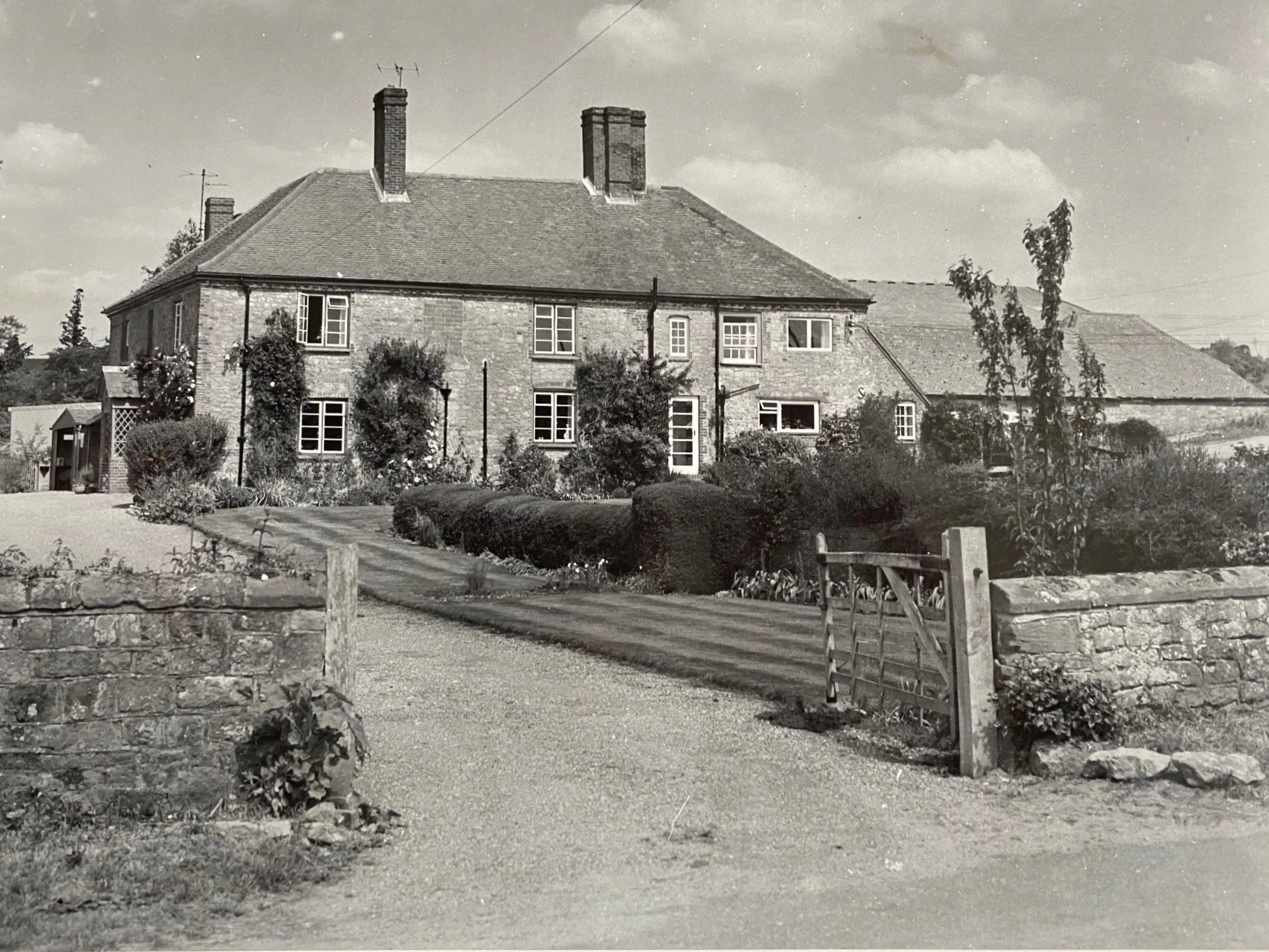
Easebourne (West), Buddington Lane
Buddington Farmhouse
Listed 26.11.87, Grade II
C17 or earlier house, restored and altered. Uncoursed stone, stone rubble with red brick dressings, quoins and modillion eaves cornice. Hipped tiled roof.
Miscellaneous modern windows. Two storeys. Five windows.
Listing NGR: SU8851523102
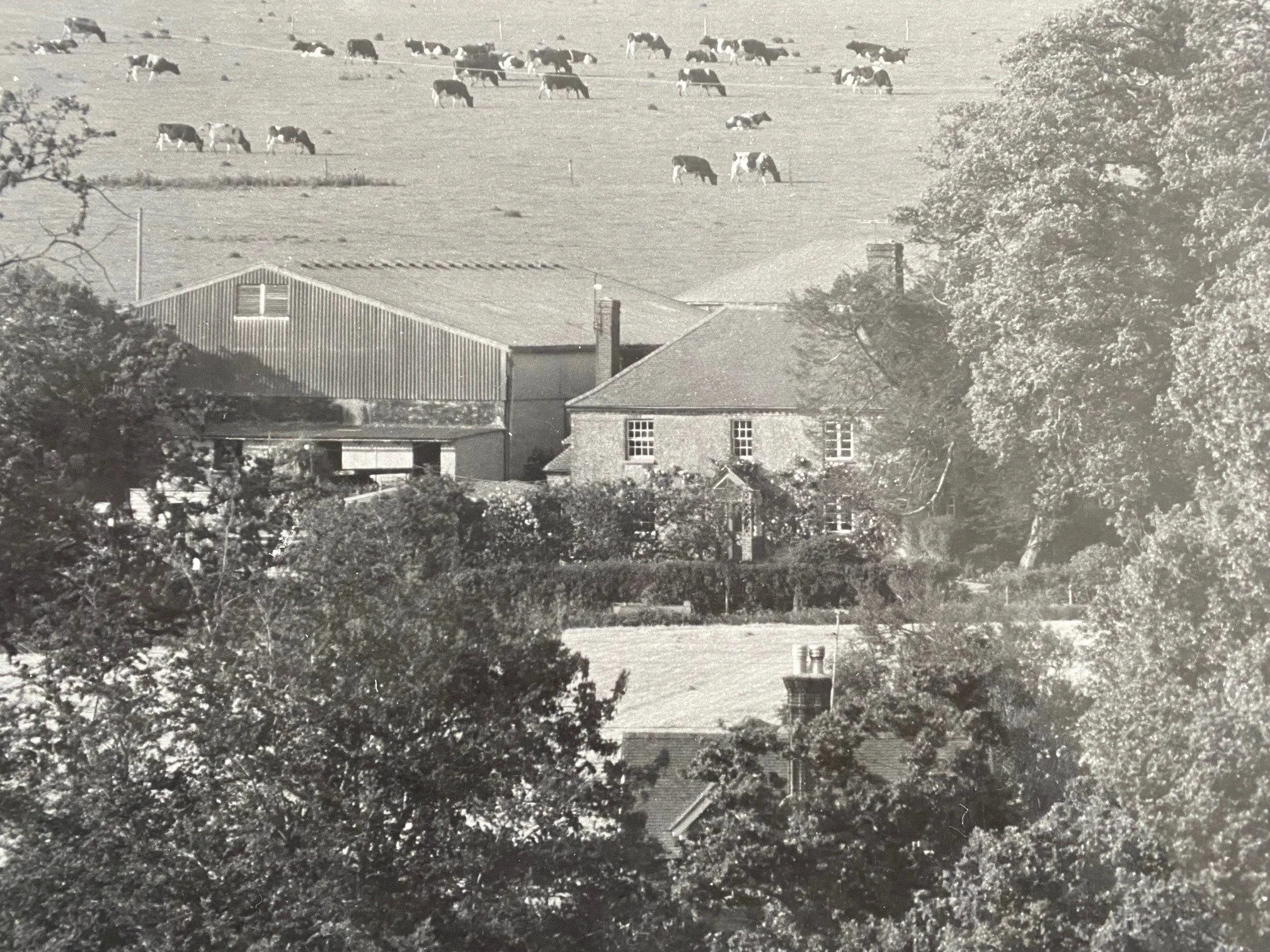
Buddington Farmhouse
Some of the people associated with Buddington Farmhouse have been:
The Honourable George Ponsonby, an Irish politician who served as Junior Lord of the Treasury in the governments of Earl Grey and Lord Melbourne from 1832 – 1834, was one of the landowners of Buddington Farm. (From the transcribed Easebourne Reference Book - Apportionment of the Rent-Charge in lieu of Tithes in the Parish of Easebourne dated 12 July 1847; transcription by David Coward).
George Ponsonby was residing in Woolbeding in 1851 where the census shows that he was living with his wife Diana; staying with them were his daughter and his son in law, Edward Howard “The Honourable Captain Royal Navy”.
At the time he was employing a Butler, Footman, Cook Housekeeper, two Gardeners and eight maids (Lady’s, Laundry, Kitchen, House and Dairy). At 87 years old in 1861 the census records him as being a “Landed Proprietor”.
An occupier of his farm in 1847 was Joseph Trower who paid a rent charge of £2, 11s,7d for a cottage and garden, orchard, arable land, a barn, and yard.
Buddington Farmhouse
The same 1847 document also shows a Robert Shotter being a landowner and occupier of Buddington Farm. He was paying a rent charge of £14, 10s, 3d for a House and garden, at least 21 acres of arable land, farmyard and lane, a wood and some areas of pasture.
Robert had been christened in Easebourne in September 1787. In 1851 Robert and his sister, Charlotte, were residing with their nephew, Robert Shotter, whose occupation was noted as a Farmer in the census. Robert and his sister were both unmarried and were “Annuitants”. The household employed one House Servant and a Farm Labourer.
In 1859 the Post Office Directory continues to list two farmers at Buddington: Joseph Nash and John Shotter.
Joseph Nash was born in 1814 in Horsham. Joseph married Mary Jane Trower in September 1846 in Easebourne. Mary was the daughter of Joseph Trower, the “Yeoman” at Buddington.
At the time of the 1851 census Joseph, Mary and their two-year-old son Albert, were living with her widowed father Joseph. The household also consisted of James Norris, a farm labourer, his wife Mary a House Servant and Jane Stevens, also a House Servant aged 10 years. In 1866 The Post Office Directory continued to list Joseph Nash as a farmer at Buddington. However, by 1881 Joseph was a farming 300 acres in Bignor in the Petworth district. Joseph was buried in Easebourne in September 1900 aged eighty-six.
Much later, in the 1899 and 1915 editions of the Kelly’s Directories, George Stephen Atkins is listed as the farmer at Buddington Farm. The census of 1911 lists him living with his second wife Ellen, aged 46, and their son George Donald Atkins age 23. Daisy Whittington age 21 was their General Domestic Servant.
George was the son of a Petersfield Grocer and was christened in East Meon in April 1836. By the time he was 25 years old, the 1861 Census records him as living in Petersfield High Street and was a “Farmer of 260 acres”. Twenty years later, the 1881 Census records him as being a “Farmer of 660 acres”, employing 7 men and 5 boys in Up Marden (registration district of Westbourne).
The current farmer at Buddington Farm is James Renwick, who took over the farm from his father, Robert, in 1992. According to its website “Buddington Bottled”, the farm has a herd of 120 Holstein Friesen cows. The diary uses robotic milkers, and the milk is sold to the public via vending machine.
Hollist House
In 1859 the Post Office Directory of that year records him as the farmer at Hollist House. In 1861 the census records him living at Hollist with his wife Emily, their two daughters, Fanny (age 17) and Emily (age 6) both born at Woolbeding. They employed one House Servant, Mary Dummer aged fifteen. William recorded his occupation as “Farmer, 94 acres, employing 3 labourers and 2 boys”.
Mrs Elizabeth Tipper appears in the 1866 Post Office Directory as the Farmer at Hollist Farm. In the 1861 Census, Elizabeth is Widowed, Head of the Household, whose occupation was “Farmer”.
Edward Cooper Smith, is noted in the Post Office directory dated 1878, as being the farmer and veterinary surgeon at Hollist.
In the commercial section of the 1890 and 1899 Kelly’s directories, Edward is listed as Farmer and Veterinary surgeon, at Hollist Stud Farm. He remained at Hollist until at least 1901. Edward moved to the listed building, Ivy Cottage, in Easebourne Lane in 1905.
Easebourne (West) Hollist Lane
Hollist House
Listed 09.11.84, Grade II
L-shaped early C19 house. Coursed stone with dressings, quoins and modillion eaves
cornice of red brick and grey headers. Hipped tiled roof. Casement windows with
small square panes. 2 storeys. 4 windows.
Listing NGR: SU8814422908
Hollist House
Some of the people associated with Hollist House have been:
The Honourable George Ponsonby was the landowner of Hollist Farm (as per the transcription of the Easebourne Reference Book - Apportionment of the Rent-Charge in lieu of Tithes in the Parish of Easebourne dated 12 July 1847 (Transcribed by David Coward). George was also a landowner of Buddington Farm; see later entry.
The occupier of Hollist in 1847 was William Merritt. The rent charge was £8,10s,9d. William was born in Woolbeding where he spent much of his life.
Easebourne, Hollist Lane
Hollist Farm Barn
Listed 09.11.84, Grade II
Barn. Early C19 probably. Coursed stone rubble walls with large stone quoins.
Half-hipped plain tile roof with 4 roof lights near eaves in east pitch; east end wall
timber framed and weather-boarded above wall-plate. 7 bays. Ventilator slits.
Central entry in east elevation with full-height boarded doors and in west elevation with projecting timber-framed and weather-boarded porch on stone and brick cill and with pyramidal roof; to north of west porch, roof descends low over weather-boarded out shut. Inside, remains of central threshing floor; roof trusses are apparently partly cruck-braced. Comprises part of a farmyard group with Hollist House.
Listing NGR: SU8810322920
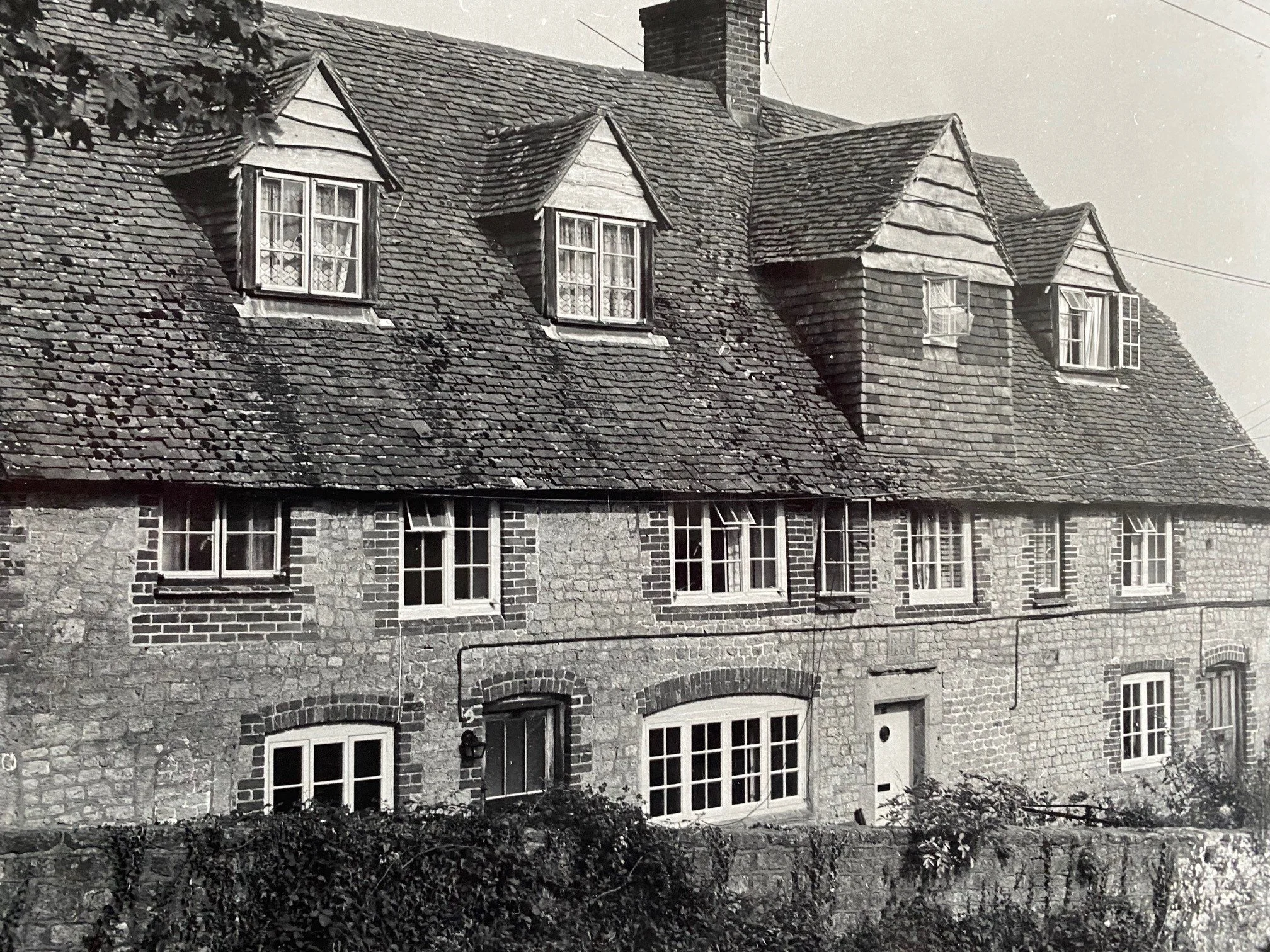
Easebourne (West) The Locks
Old Buddington
Listed 18.06.59 (Nos C97, 98 and 99) Grade II.
One building. Originally a farmhouse, now 3 cottages. Dated 1660 with the initials "R.I.B". Stone rubble with red brick dressings and ashlar quoins. Half-hipped tiled roof. Large central tile-hung gabled dormer. Casement windows, some with diamond-shaped panes. Stone doorway with date and initials over. 4 projecting gabled wings behind. 2 storeys and attic. 7 windows.
Listing NGR: SU8829023435
Easebourne (West) The Locks
Locks Cottages (Nos C100 and 102)
Listed 18.6.59, Grade II
One building. No 100 at the north end is dated 1669 with the initials L.T.M. Stone rubble with ashlar quoins. Gable to the west front. Tiled roof. Casement windows of two and three lights with stone mullions. Stone doorway with drip mould and date and initials over. Three storeys. Two windows. No 102 (originally Nos 101 and 102) is a C18-19 addition of lower elevation. Stone rubble with red brick dressings and quoins. Hipped tiled roof. Casement windows. Two storeys. Four windows.
Listing NGR: SU8830623661
Easebourne, Haslemere Road
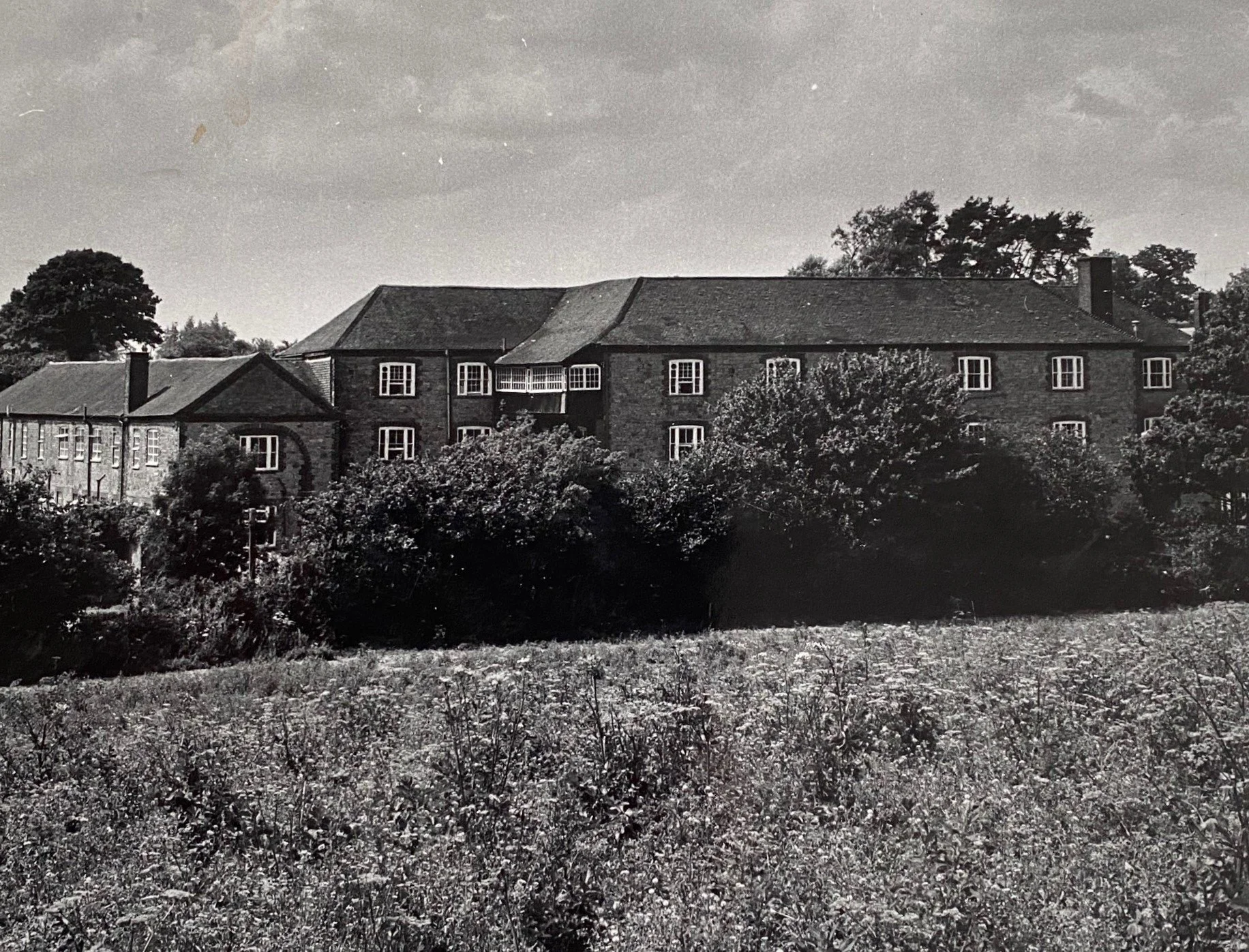
Budgenor Lodge
Listed 18.06.59, Grade II
Originally Midhurst Union workhouse. The building has a later C18 character but probably was not built before the Poor Law Act of 1834. The main building faces east. Uncoursed stone with red brick dressings, quoins and dentilled eaves cornice, the stone set in galletting. Hipped tiled roof. Glazing bars intact. Ground floor addition of 3 windows to the north. Later balcony on third floor facing south. 3 storeys. 5 windows. Long wings at right angles behind forming 3 sides of a courtyard.
Listing NGR: SU8906723187
Budgenor Lodge
In the 1881 census, Harry James Bristow was the “Master of Workhouse”, and his wife Jesse was the “Matron”. Their nephew Frank was staying with them at the time. He remained the Master in 1891, but his wife Jessie died in 1888.
The staff, recorded as “Officers” in 1881 were:
Walter Parson, an unmarried “Schoolmaster” aged twenty-five.
Ellen Westbrook an unmarried “Industrial Trainer” aged forty-six.
Henry Hitchcock, a married Gate Porter aged forty-five.
All three “Officers” working in 1881 remained at the Workhouse in 1891.
Walter Parson remained the Schoolmaster.
Ellen Westbrook had become the Matron.
Henry Hitchcock noted his occupation as “Auctioneers Porter”, but he had become a “Pauper Inmate”.
The census recording of the people living in the workhouse changed over time. In the 1881 census they were listed as being “Paupers” in relation to the “Head” i.e. Master of the Workhouse, in 1901 they were “Patients” and in 1911 classified as “Inmates”.
Albert Hart Field was the Master of the Workhouse in the 1901 and 1911 census’ with his wife Ada, as the Matron. Albert was also the “Relieving Officer & Vaccination officer” for the Midhurst District.
The staff working in 1911 were:
Walter Carter, single, Workhouse Porter
Sarah Jane Elliott, single, Cook Domestic
Leonora Frances Gilder, single, Hospital Nurse
Fanny Emily Hayward, single, Children’s Nurse
The 1911 census return lists the males first, followed by the females then the children. However, the last entries were for the Stevens family, consisting of William, a Journeyman Tailor, wife Mary and their four children.
Of the males the youngest was a 34-year-old blind basket maker and bricklayer’s labourer. The majority were over 60 years old with the oldest being an 89-year-old former farm labourer. The most common former occupation of the males was farm labourer. Just over half of the males were single.
The females were aged between 16 and 86 years old. The majority were over the age of forty. The oldest female was widowed, Charlotte Trussler aged 86 years. Where an occupation was noted, it was of a domestic nature e.g., charwoman, laundress. Over half of the females were single.
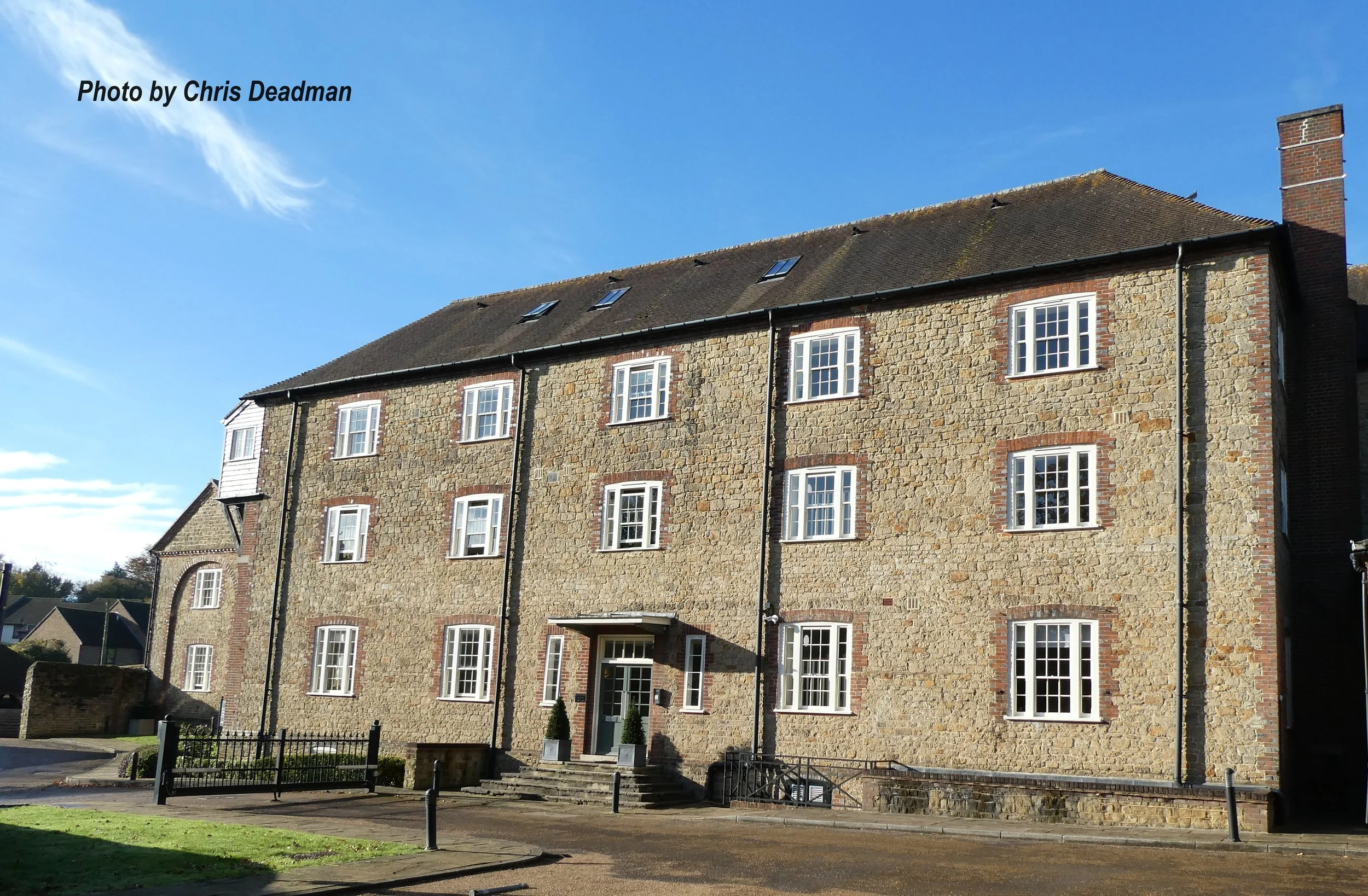
Budgenor Lodge
It is quite well-known that the buildings known as Budgenor Lodge were a former workhouse. The book “Budgenor Lodge – A Georgian Enterprise” by Andrew R. Guyatt charts the history, in some details, from its inception as the “Easebourne House of Industry” in 1794 to its conversion into modern housing units starting in 2005. There is also a chapter on Budgenor Lodge in “Cowdray and Easebourne” by Andrew Guyatt and Vic Mitchell. Copies of both books are available in the library in Midhurst.
As one of the oldest surviving workhouses in the country, Budgenor Lodge featured in Phil Spencer’s television programme “History of Britain in 100 Homes” in 2018.
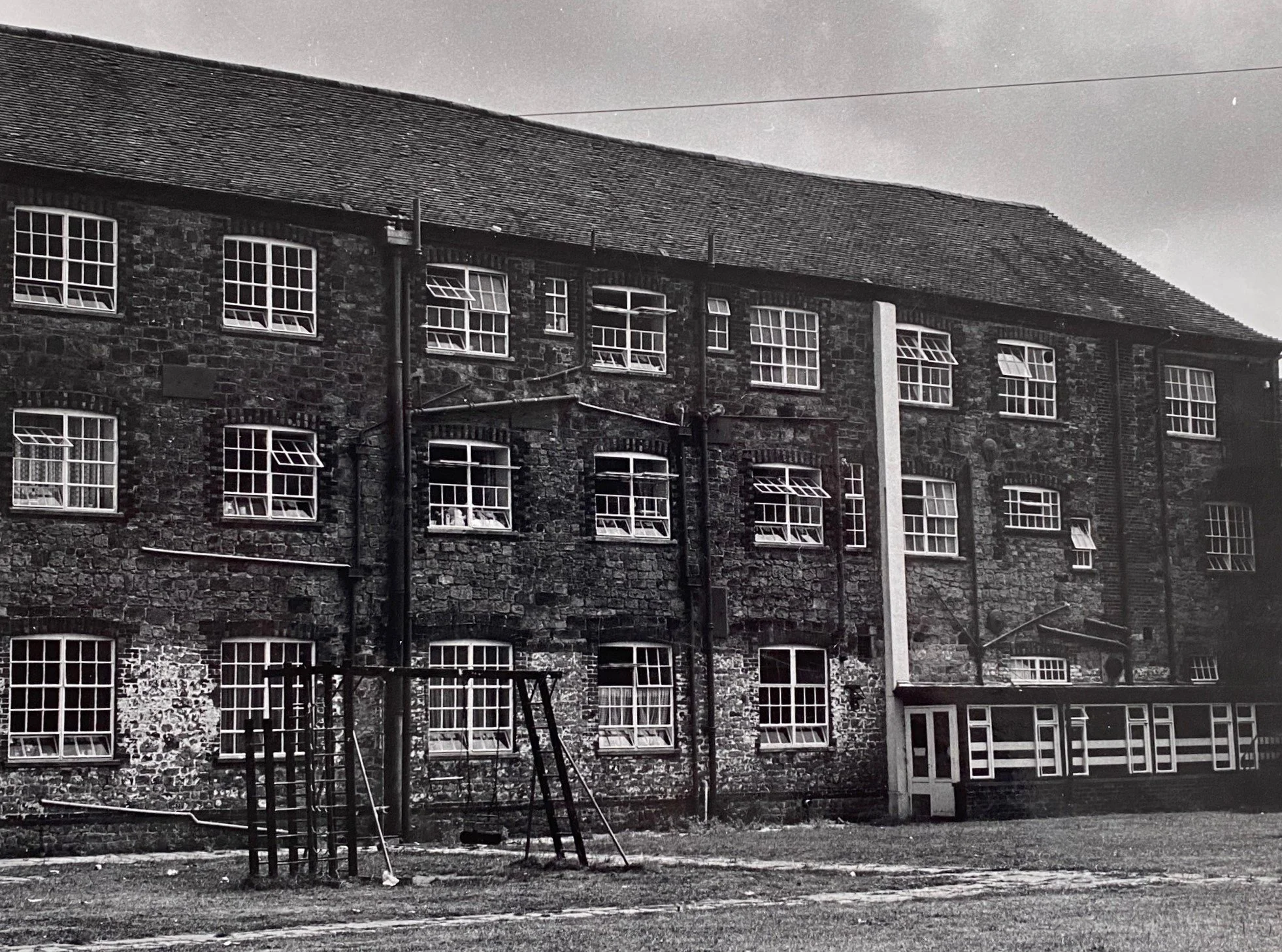
Easebourne, Haslemere Road
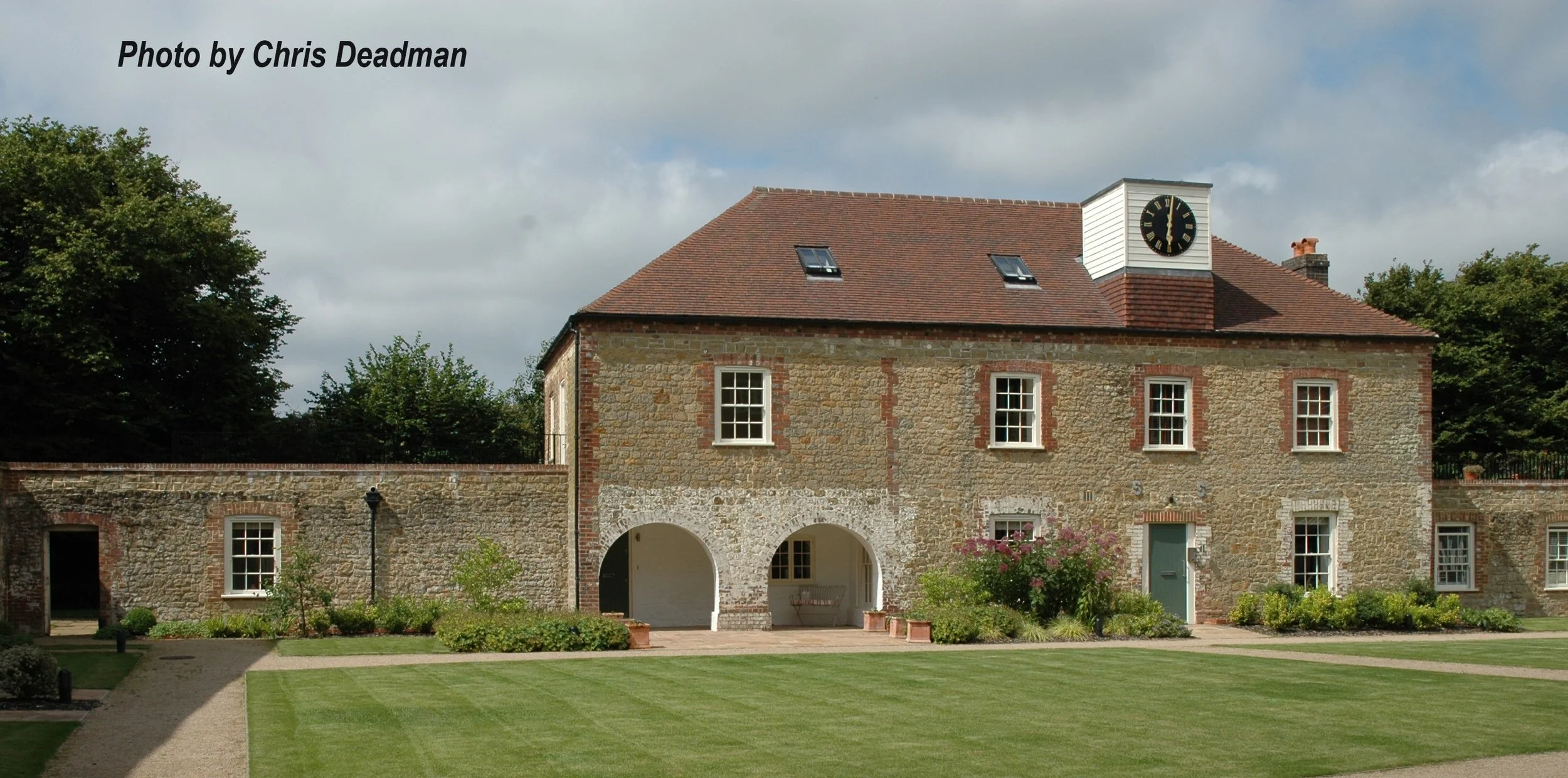
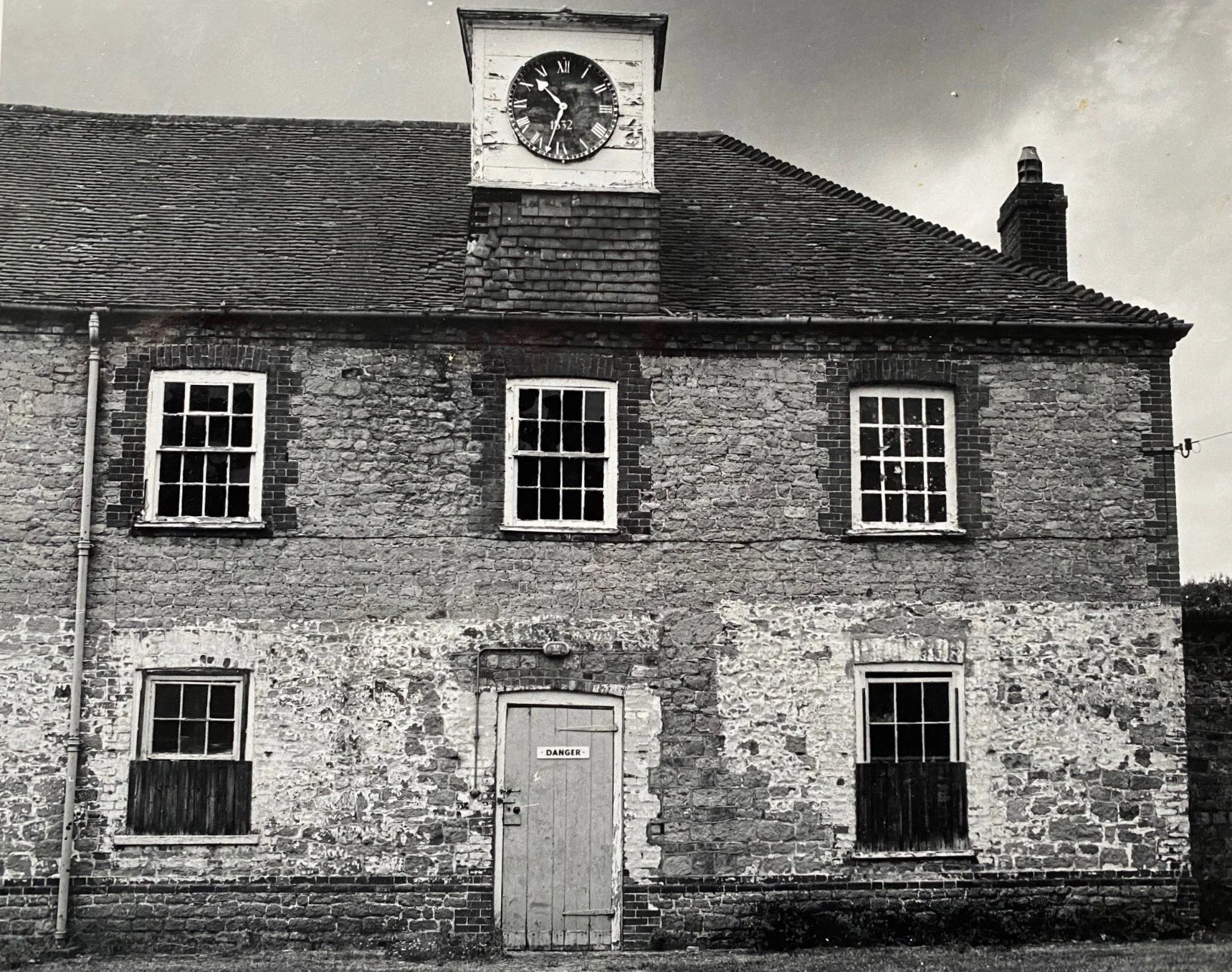
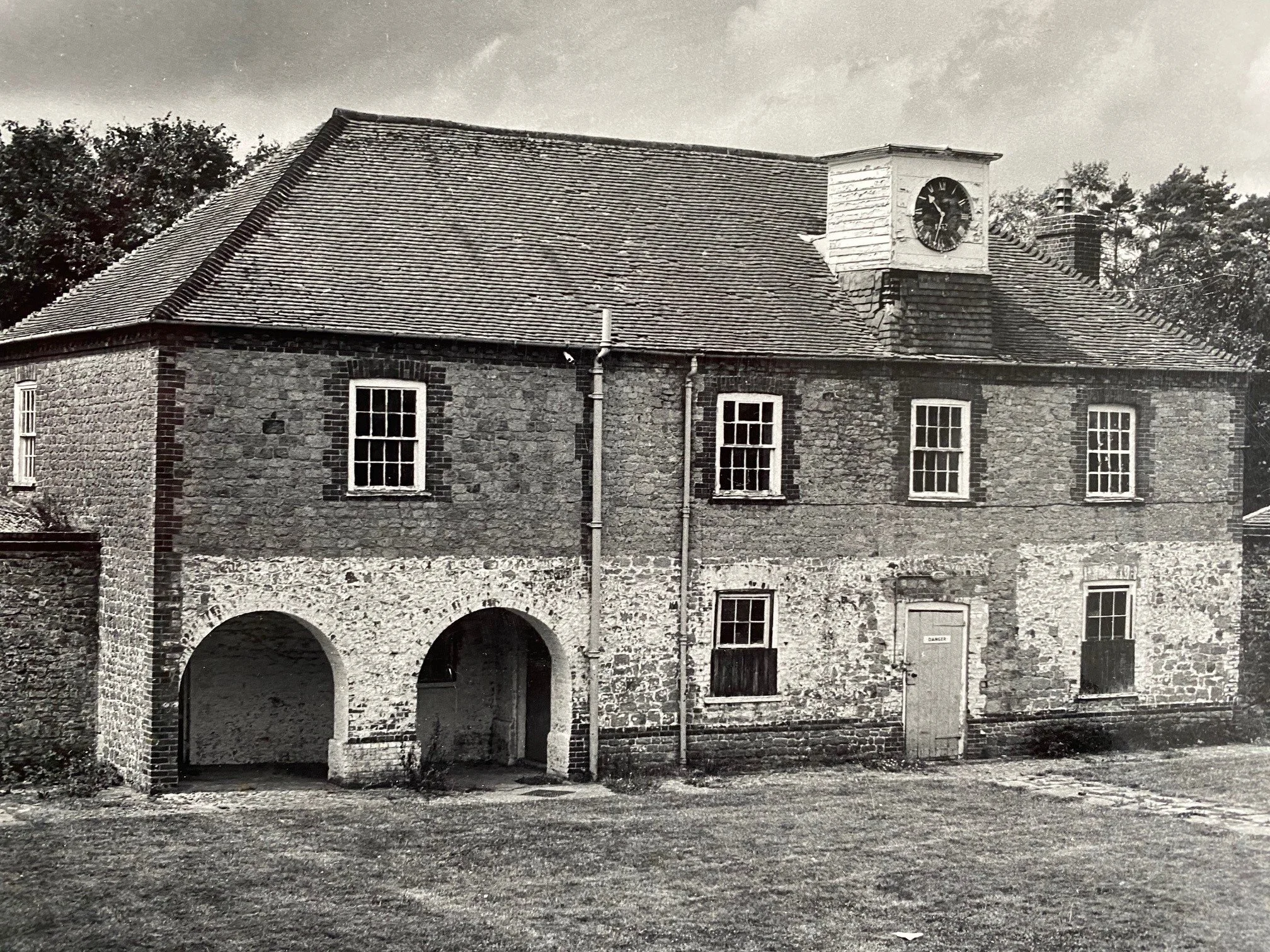
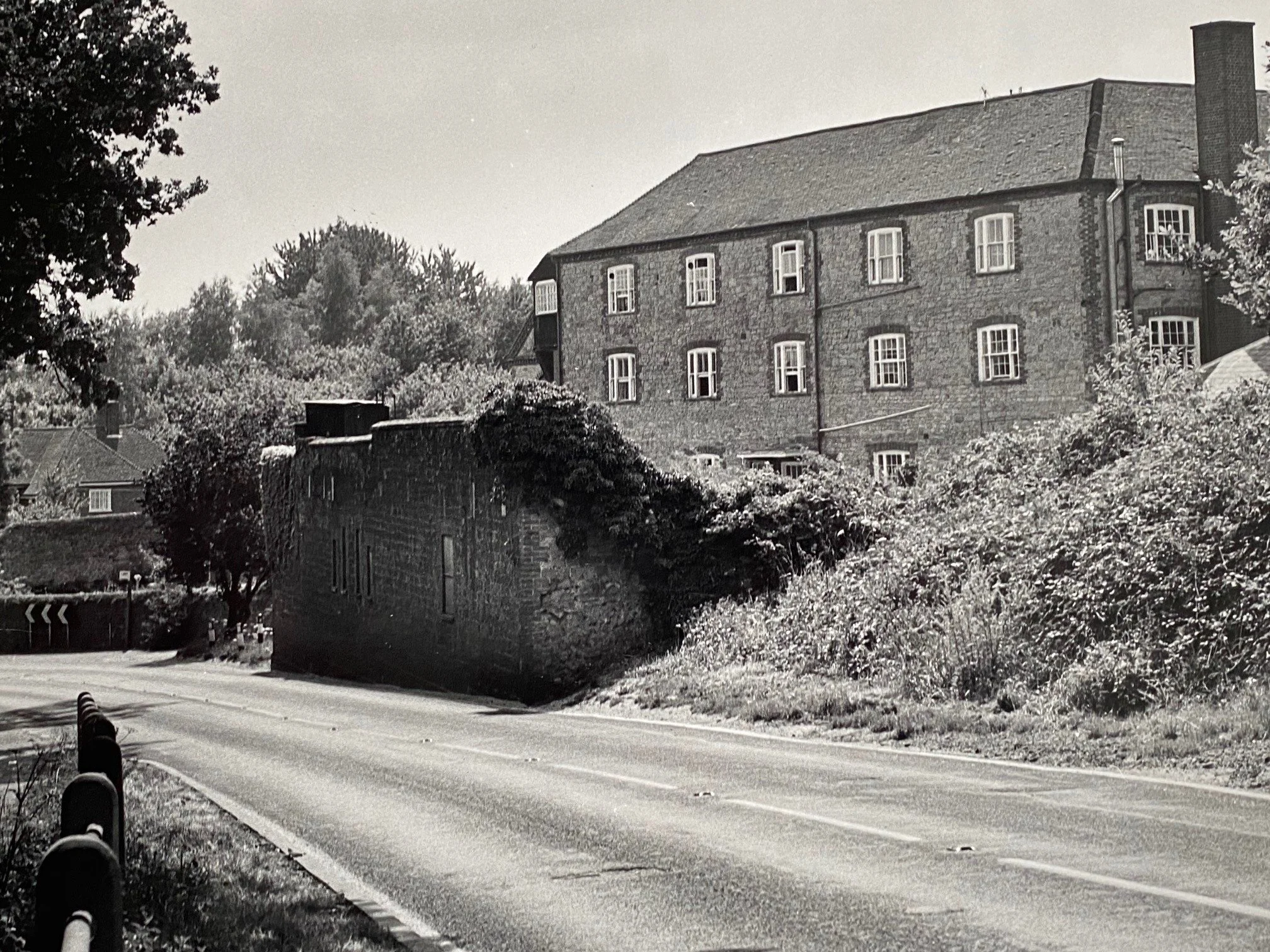
Store-house at Budgenor (Lodge to the west of the main building).
Listed 18.06.59, Grade II
This is a detached building which forms in part the west side of the courtyard. Probably 1834 circa. Stone rubble with red brick dressings, quoins and modillion eaves cornice. Hipped tiled roof. Glazing bars intact. 2 arched openings at south end of ground floor. Above the centre of the roof on the east side is the remains of a turret, of which the lower portion is tile-hung and the upper portion weather-boarded, with a clock-face, but the cupola above is missing. 2 storeys. 4 windows. This building originally contained 2 cells which had iron-studded doors said to have
been brought here from Midhurst Prison.
Listing NGR: SU8902023197
The 1832 clock face is said to have come from Petworth Prison.
Storehouse at Budgenor Lodge
The Storehouse is now known as The Clockhouse and consists of 4 apartments. Prior to its conversion the building housed the Ashhouse, (where wood ash was stored for the laundry), two prison cells, a “Room of the Dead, and a bathing (wash) room.