
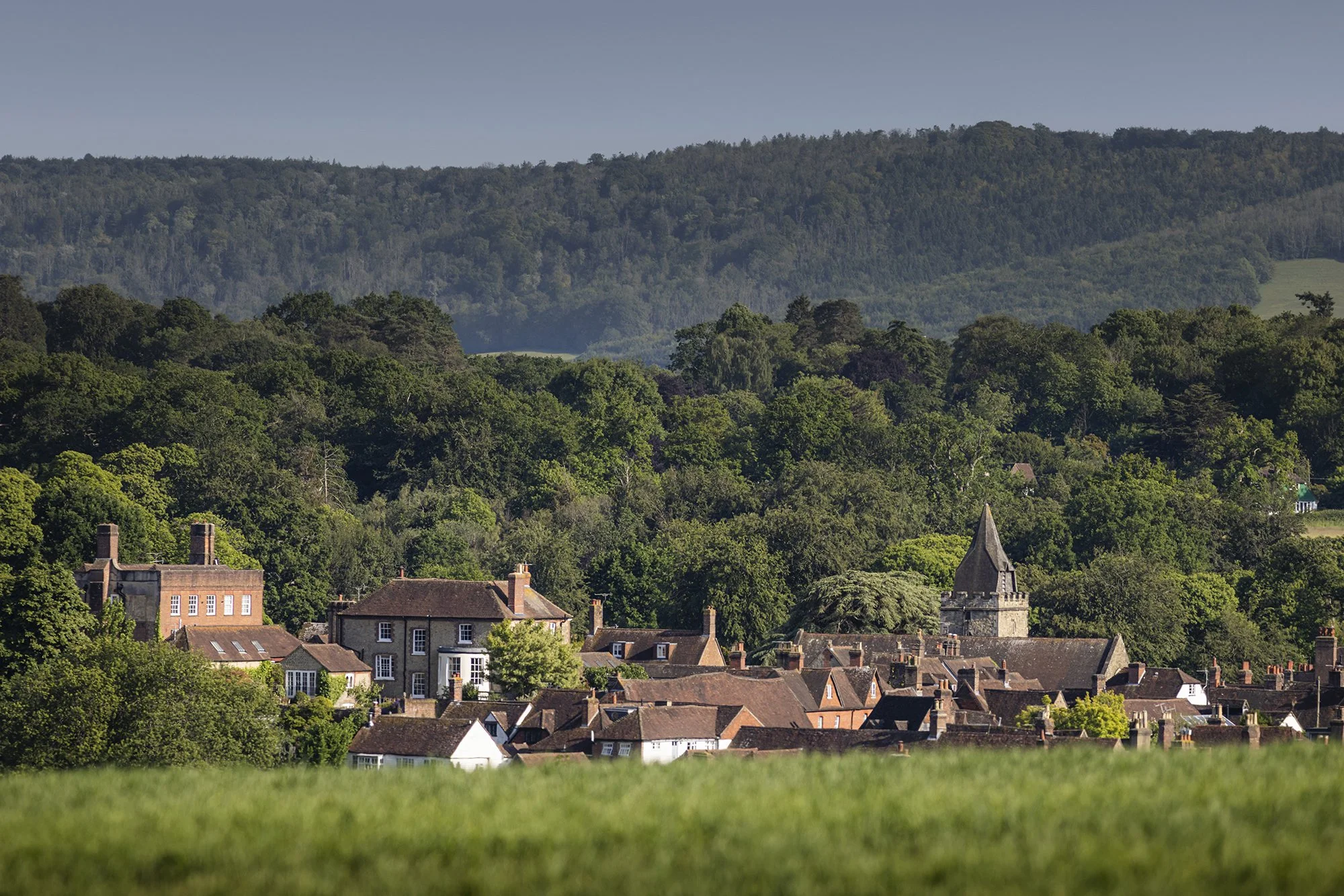
Find what you need
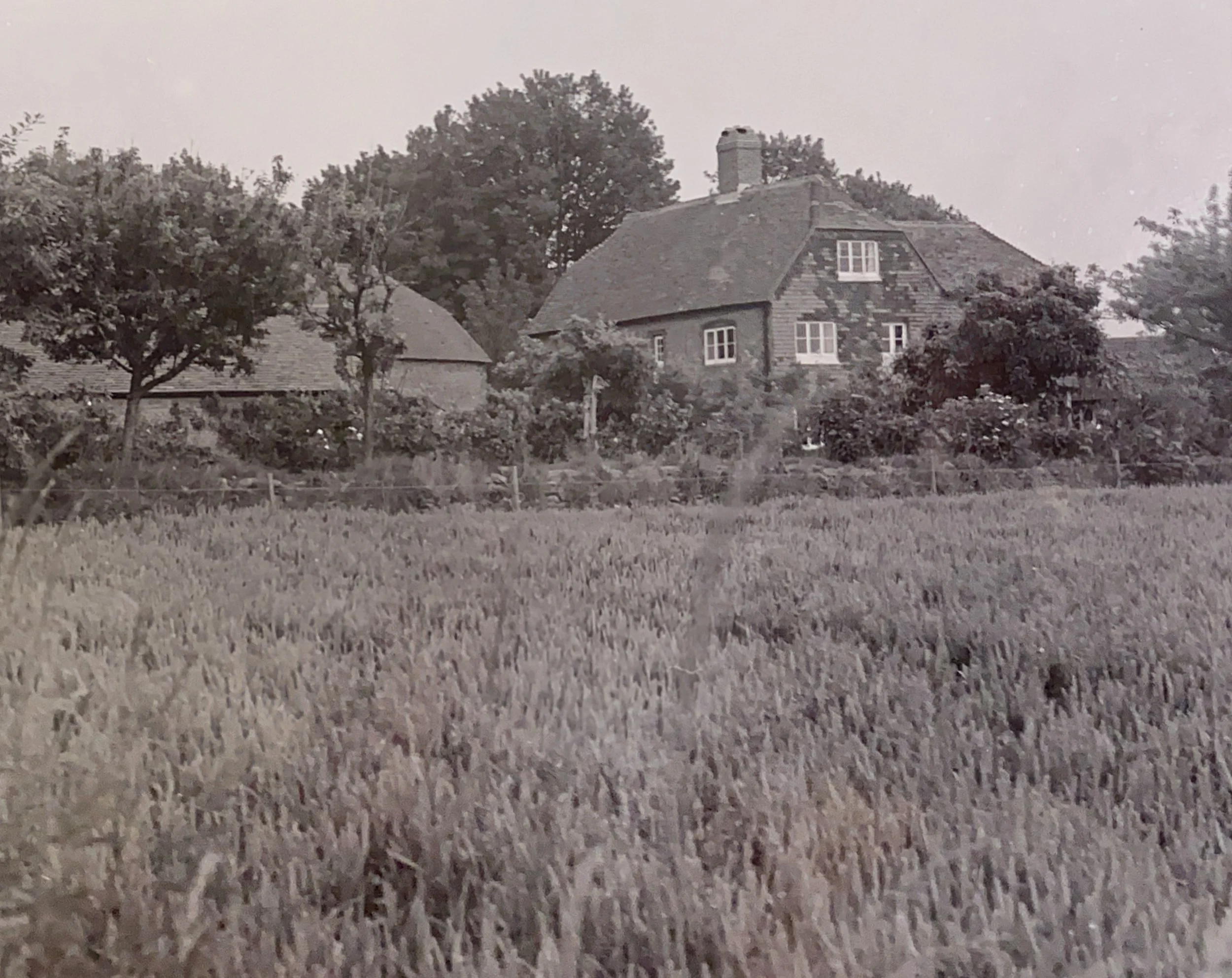
Easebourne Street, Easebourne (Upper South)
Upper Vining
(formerly listed as Nos C235 and 236 (Vining Farmhouse)
Listed 18.6.59 Grade II
Farmhouse, once two cottages. C17 or earlier double-L-shaped building, the west wing added in the C18. Stone rubble with red brick dressings and quoins. Steeply-pitched hipped tiled roof. Casement windows, some with stone mullions and some blocked. Pointed doorway repaired in brick with remains of old drip mould. Crow-stepped chimney breast on east wall. Two storeys. Three windows to west wing.
Listing NGR: SU9181023744
John Dudman and his wife Harriet were living at Upper Vinings according to the 1891 Census. Their family consisted of six sons and one daughter.
John and Harriet were married in Lurgashall on 15 December 1866 and initially lived in Fernhurst and Lodsworth before moving to Easebourne. John was a Gamekeeper. Five of their sons served in the army and three were killed in action on the Western Front during the First World War.
Frank and Charles Dudman, both with the Royal Sussex Regiment, died within three days of each other near Ypres on 22 and 25 September 1917 respectively.
Ernest Dudman,a Lance Corporal with the Queens Own Royal West Kent Regiment had been decorated with the Military Medal in 1917. He died on 27 September 1918 in the battle at Cambrai.
They are commemorated on the internal plaque and the war memorial at St Mary’s church, Easebourne.
Upper Vining
(formerly listed as Nos C235 and 236 (Vining Farmhouse)
In 1841, this property was owned by “Seymour Sir H.B. & others”.
This information was established from the Fernhurst Society website in a translation of the “Cowdray MSS1892- Easebourne Reference Book – Apportionment of Rent Charge” dated 1841 transcribed by David Coward.
Seymour Sir H.B was Sir Horace Beauchamp Seymour, Knight Commander of the Hanoverian Order (K.C.H.), a Colonel in the English Army and Tory politician. He was the Member of Parliament for Midhurst between 1841 and 1845.
Two known occupants of this property were:
Thomas Sanders is referenced in the above document as being the Occupier of Upper Vining House and Garden. Thomas was born in Easebourne in 1788. He married his wife, Mary Ann Peachy in April 1825 in the parish of South Bersted where Mary had been born.
Their daughters, Jane Spershott and Mary Anne, were christened in Easebourne on 15 May 1827 and 3 November 1833 respectively; their father Thomas being recorded as a “Yeoman”.
Thomas (age 63) was listed as a farmer in the 1851 P.O. Directory. In the census of that year those in the family household were his wife Mary Ann (age 54), daughter Mary Ann (age 17), married daughter Jane Thomas (age 24,) his son in law John Thomas (age 27) a silversmith, and Julia Thomas his grandchild who was just a few weeks old. Also in the household were a female visitor also called Julia Thomas, two female servants and a male farm labourer.
The census in 1861 lists Thomas as being a “Farmer of 70 acres Employing 6 Labourers and 2 Boys”. Living with him were his wife, daughter Mary Ann, and one female House Servant.
Thomas was buried in Easebourne in December 1864. The 1866 P.O. Directory lists Sanders, Mary Ann (Mrs) as “Farmer”
Easebourne, Easebourne Street
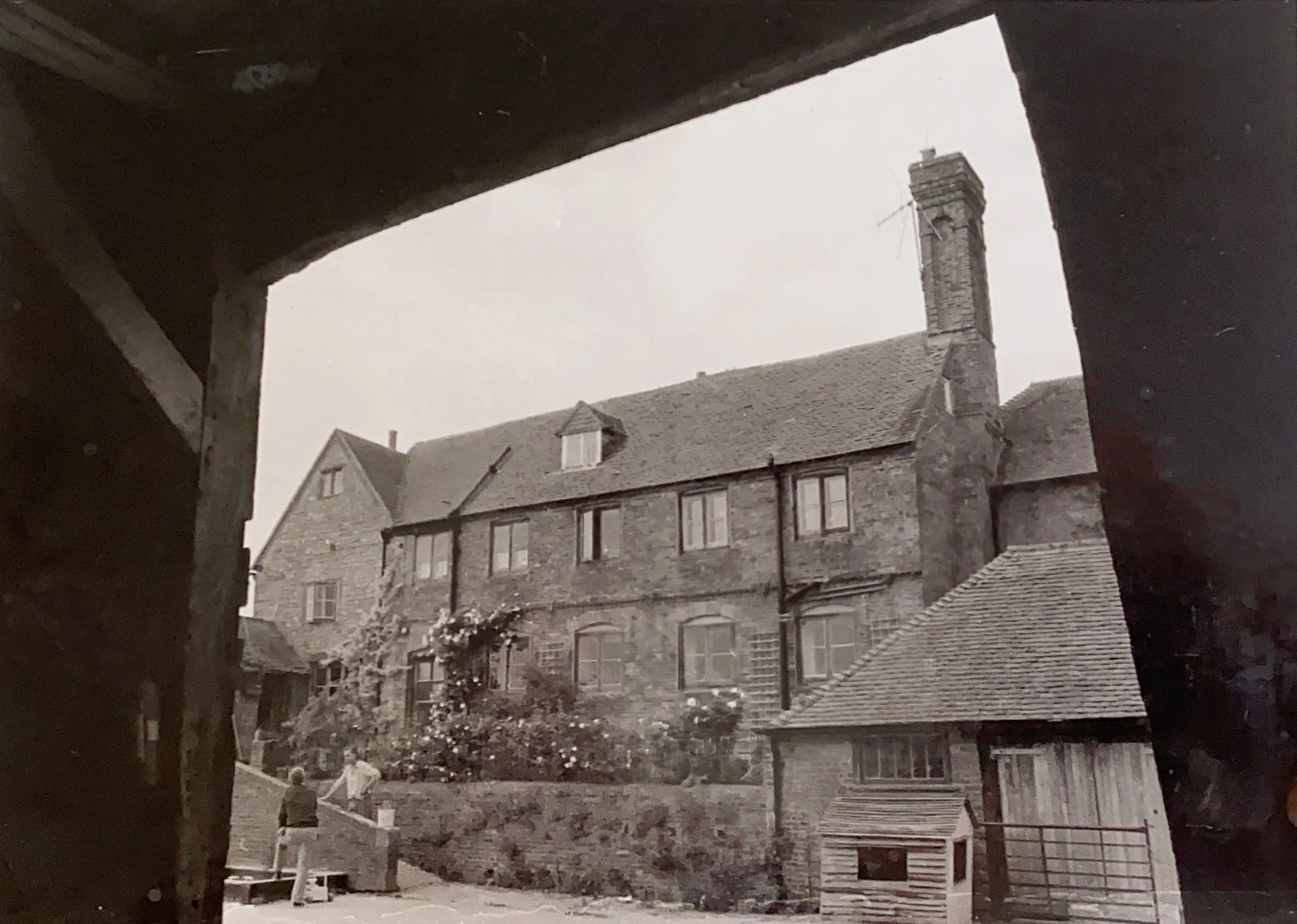
Grevatts
Listed 26.11.87, Grade II
House. C18 or earlier. Coursed stone rubble with red brick dressings and quoins. South wall tile-hung above ground floor. Tiled roof. Casement windows. Blocked doorway with heavy ashlar lintel. Gabled porch. Modern L-wing to east. Two storeys. Two windows.
Listing NGR: SU9146324069
Grevatts
In the transcribed Easebourne Reference Book - Apportionment of Rent Charge dated 1841, “Grevatts Vining House and Garden” was owned by “Seymour Sir H.B. & others”.
Seymour Sir H.B was Sir Horace Beauchamp Seymour, Knight Commander of the Hanoverian Order (K.C.H.), a Colonel in the English Army and Tory politician. He was the Member of Parliament for Midhurst between 1841 and 1845.
The occupier was James Sanders. From census records it has not been possible to identify the specific James Sanders. However, he was the occupier of various plots of land for pasture and arable use, an orchard and owned his own house and garden.
Easebourne, Easebourne Street
57 and 58 Vinings
(Formerly listed as Lower Vining Farmhouse)
Listed 26.11.87, Grade II
C18 or earlier house, restored. Ground floor stone, above tile-hung. Tiled roof.
Casement windows. Chimney breast with offsets on east wall. Two storeys. Five windows.
57 and 58 Vinings (formerly listed as Lower Vining Farmhouse)
There are two entries in the 1911 census for Lower Vining – each being 4 roomed dwellings.
Alfred Talbot, a Farm Labourer, was living in one of the two dwellings with his family consisting of wife Edith, his sons Alfred (age 9), George (age 5), and Charlie (age 1) and his daughters Lilian (age 8) and Lucy (age 6).
In the transcribed Easebourne Reference Book - Apportionment of Rent Charge dated 1841, “Grevatts Vining House and Garden” was owned by “Seymour Sir H.B. & others”.
Seymour Sir H.B was Sir Horace Beauchamp Seymour, Knight Commander of the Hanoverian Order (K.C.H.), a Colonel in the English Army and Tory politician. He was the Member of Parliament for Midhurst between 1841 and 1845.
The occupier was James Sanders. From census records it has not been possible to identify the specific James Sanders. However, he was the occupier of various plots of land for pasture and arable use, an orchard and owned his own house and garden.
In 1911 Arthur’s mother Alice and her husband Charles Harper (now a Shepherd) were living on Soutars Farm in a three roomed dwelling, with five of their children. The farmer, at Soutars at this time, being Richard Percy Bridger. Alfred was born in Easebourne to George and Emma Talbot and was christened by the vicar Edward Tufnell on 1 April 1877. Living in “Upper Street” in 1881, Alfred was a General Labourer at the age of 14. At the age of 24, Alfred was employed as a Coal Merchants Carter. Marrying his wife Edith in the spring of 1901, they were living in “The Lane”.
Arthur Talbot, a Bricklayer, was living in the other Lower Vining dwelling, with his wife Rosetta (nee Sanders). A Visitor at the time of the census was Jack Sanders (age 8) from Chichester.
Arthur was born in Easebourne to Alice Talbot and christened by vicar Henry Wood, on 7 November 1880 with the note “illig” recorded in the parish register. As a baby in 1881 Arthur lived with his mother Alice, a Domestic Housekeeper, in the household of his widowed grandfather John Talbot and his uncle William, both Agricultural Labourers.
The marriage of Alice Talbot to Charles Harper was registered in Midhurst in the summer of 1883.
In 1901 Arthur was noted as being a “Carter (Farm)” in the household of his mother Alice and his stepfather Charles Harper, who was also a “Carter on Farm”. The household also consisted of Arthurs step siblings Charles (age 17), George (age 15) and sisters Georgina (age 13), (Lucy (age 9), Ellen (age 7), Emily (age 4) and baby Mabel.
In 1911 Arthur’s mother Alice and her husband Charles Harper (now a Shepherd) were living on Soutars Farm in a three roomed dwelling, with five of their children. The farmer, at Soutars at this time, being Richard Percy Bridger.
Easebourne, Easebourne Street
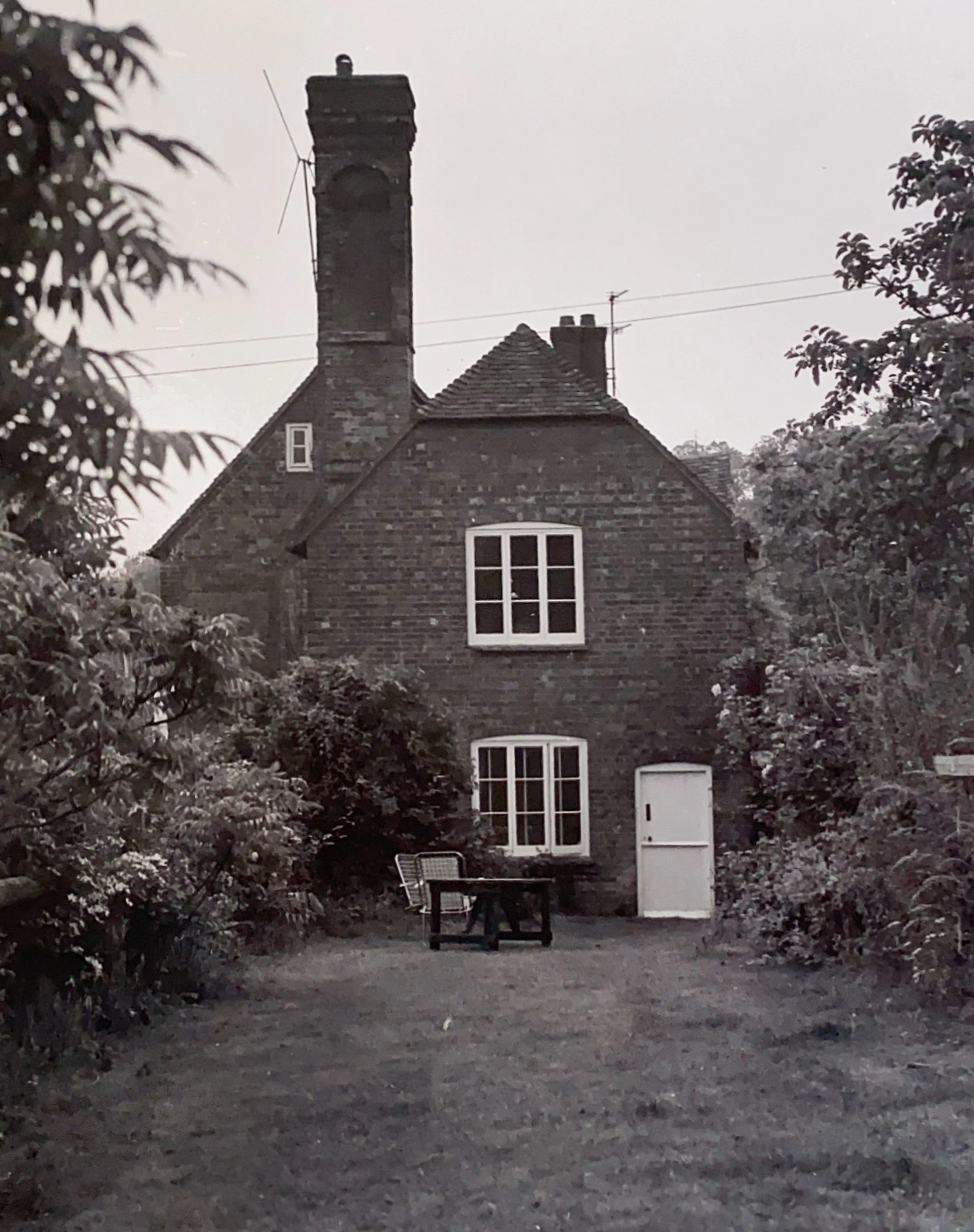
Loves Farmhouse
Listed 18.06.59, Grade II
House. C17 L-shaped building. The main portion or north wing is red brick.
Dentilled stringcourse with corbel-like ornaments of moulded brick in triangular
form. Tiled roof with pentice to west. Chimney breast on north wall with arched sunk panels on three sides with key-blocks and imposts. Dentilled band below the arch on north side. Curved shoulder with dentilled band. Casement windows. South east wing is stone and gabled with two-light window with brick mullion. Two storeys. Five windows.
Listing NGR: SU9120223463
Loves Farmhouse
In the transcribed Easebourne Reference Book - Apportionment of Rent Charge dated 1841, Loves farmhouse, garden and Farm Yard was also owned by “Seymour Sir H.B. & others”. The occupier was James Sanders. From census records it has not been possible to identify the specific James Sanders. However, he was the occupier of various plots of land for pasture and arable use, an orchard and owned his own house and garden.
In 1911 Walter Dallyn was the Farmer, and Head of the Household, residing at Loves Farmhouse with his wife Sarah, and his 4 stepchildren. He was born into a farming family in Challacombe in 1880 (situated on the edge of Exmoor National Park and in the registration district of Barnstaple). His father William was noted in the 1881 census as being a “Farmer 378 Acres Employing 3 Labourers”. In 1901 at the age of 21, Walter was a Shepherd and servant to farmer John Tucker in Cutcombe, Somerset.
Walter’s future wife Sarah was born in Stoke Rivers, (also in the registration district of Barnstaple) in 1873. Her father William was also a “Farmer of 370 Acres Employing 2 Men and 3 Boys) as per the 1881 Census. Sarah’s occupation at the time was “Dairy Maid (Ag Lab)”. Sarah lived with her parents, two brothers and six sisters until 1891. In the autumn of 1892 Sarah’s marriage to John Turner, the son of a farmer, was registered in the Barnstaple district.
It is not evident what brought Sarah and John to Easebourne, perhaps employment, but their first child, Nellie was born in the area in 1893. Followed by Henry (1896), Maude (1897), and Stanley (1899) who were all born in Easebourne. Sarah’s husband John’s death, age 31, was registered in Midhurst in early 1900.
The 1901 Census identifies Sarah Turner (widowed) living with her 3 children in Easebourne, with her brother James Burge and a General Domestic Servant, Kate Boxall.
The marriage of Walter Dallyn and Sarah Turner was registered in Midhurst in early 1907. In the 1911 census Sarah’s children retain their surname of Turner and are noted as being either the daughter or son of the head of the household.
Loves Farm is currently (2026) noted as being a 300-acre working farm offering bed and breakfast.
Easebourne, Easebourne Street
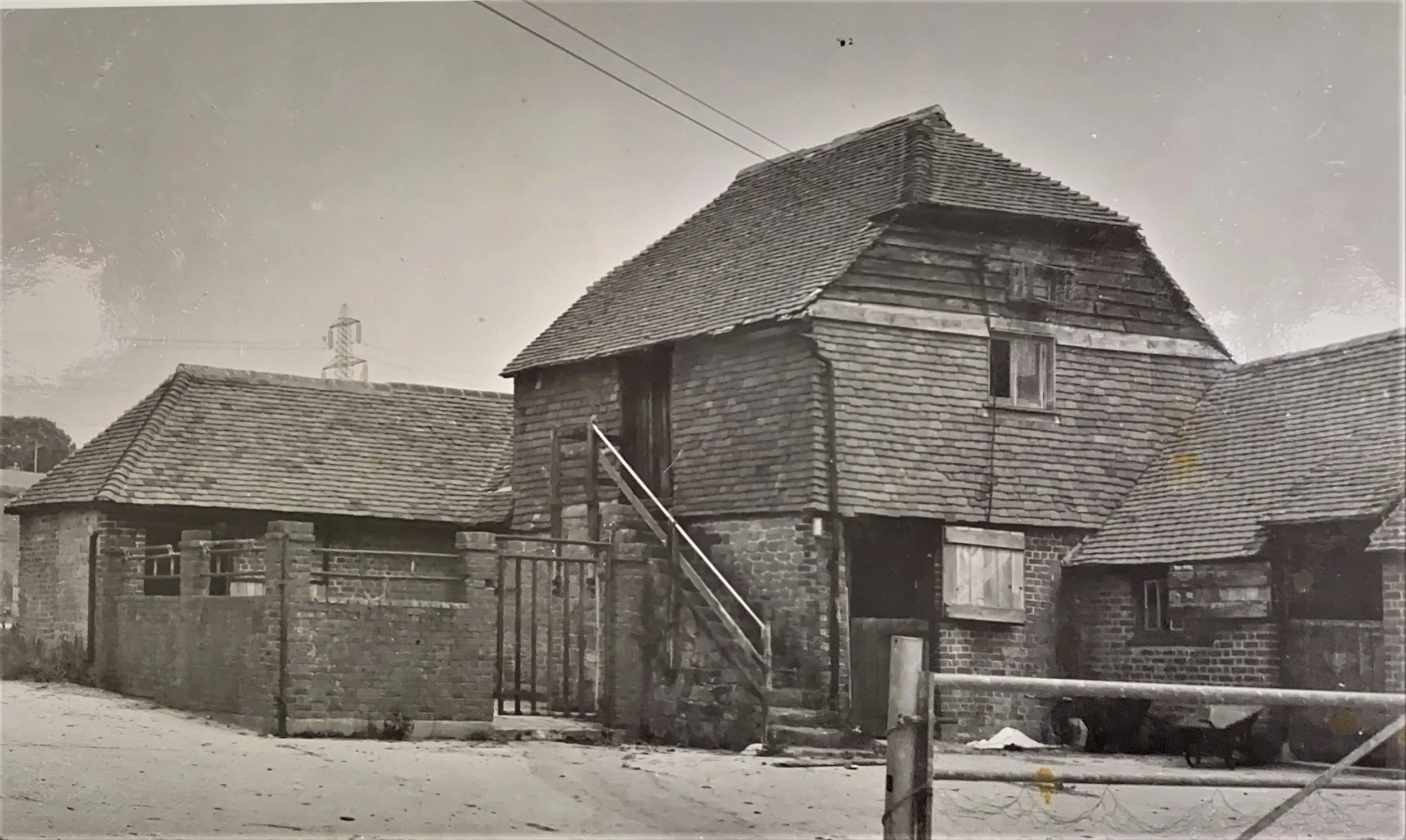
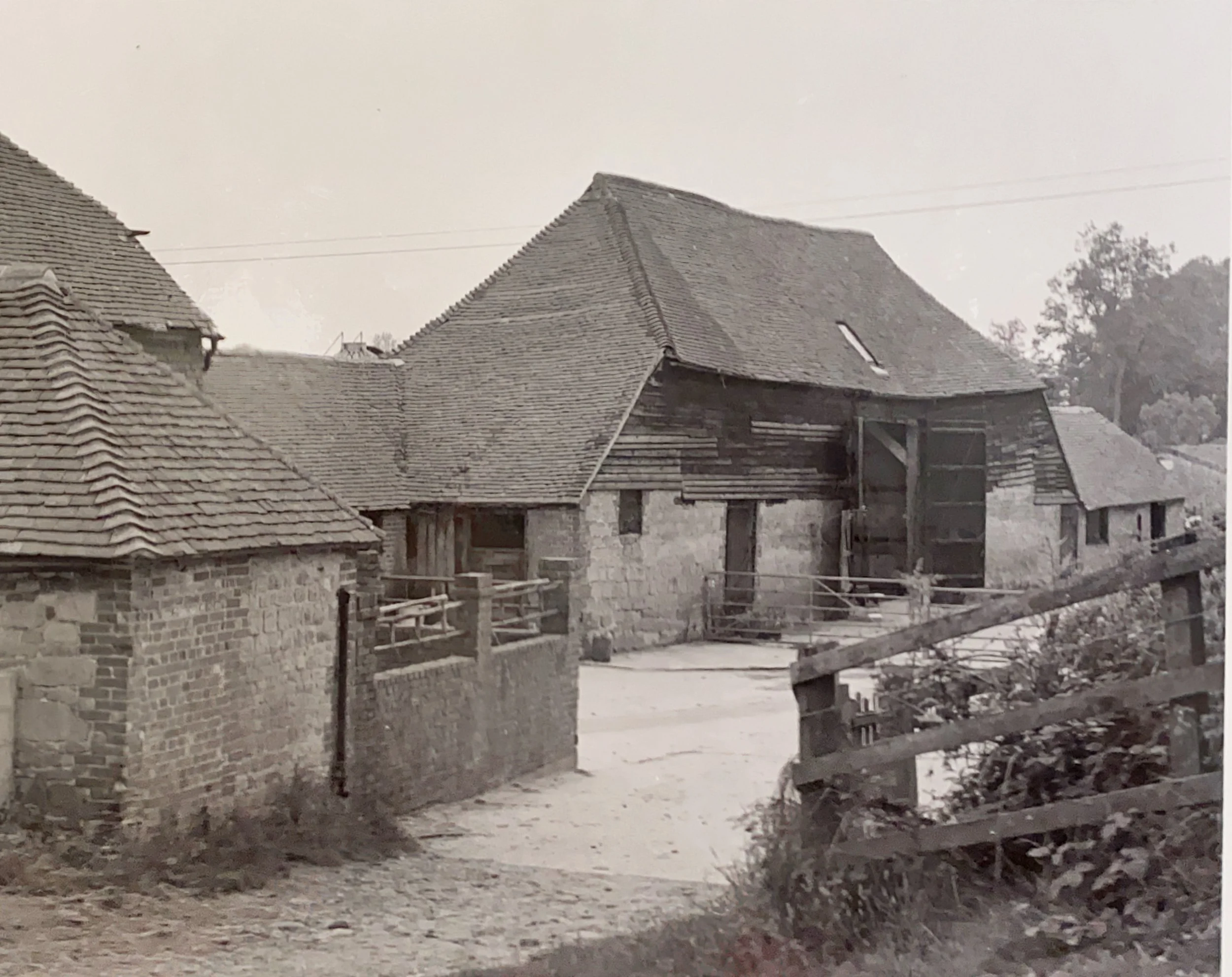
Two barns at Loves Farm to the east of the farmhouse
Listed 26.11.87, Grade II
These barns adjoin each other but are separate buildings. C18. Lower portion of each stone. Hipped tiled roofs. Upper portion of large barn tarred weatherboarding, of smaller barn tile-hung with sixteen outside stone steps.
Listing NGR: SU9121323443
Easebourne, Easebourne Street
Challen's Yard
Listed 18.6.59 Grade II
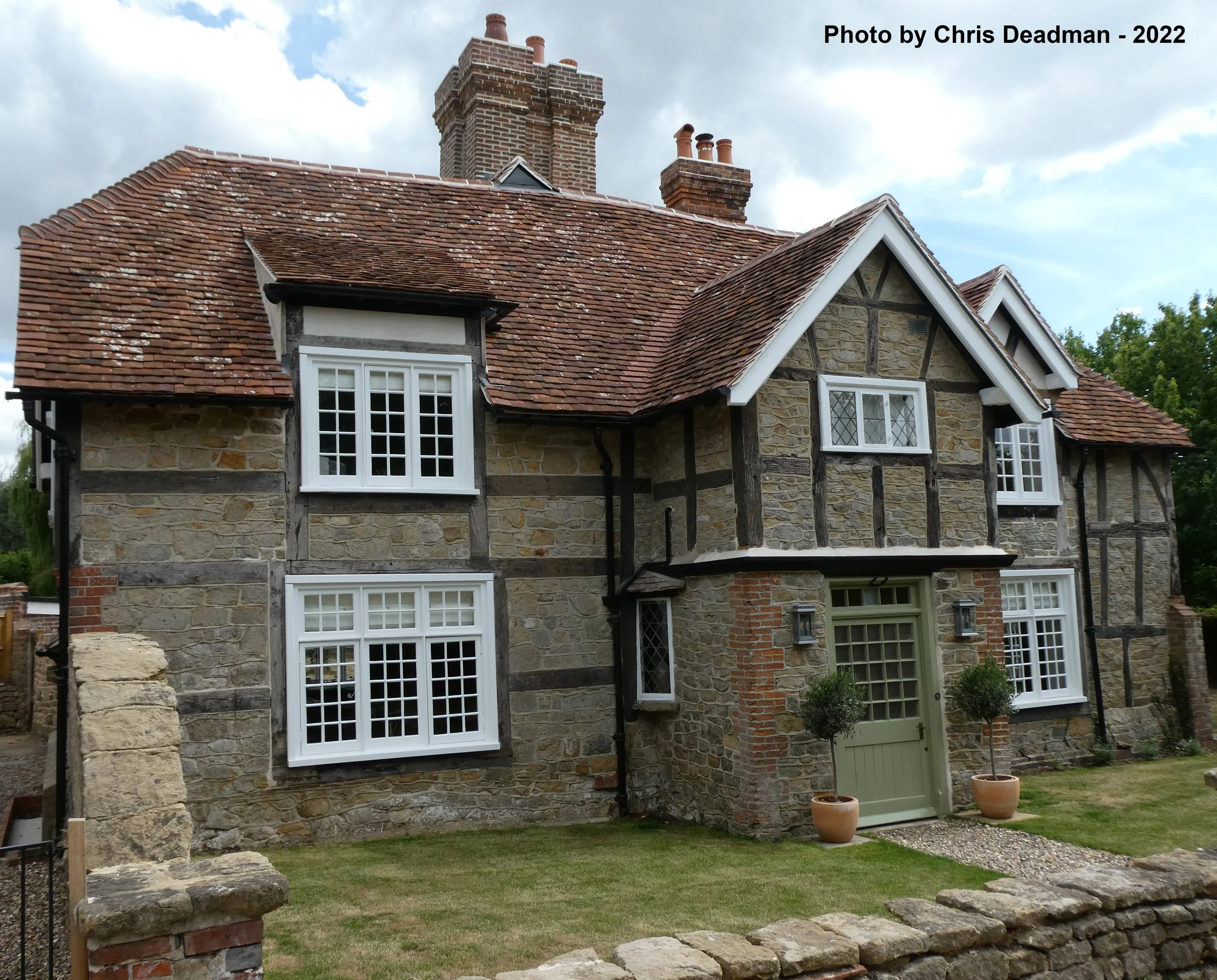
Formerly a wheelwright's shop and three cottages, now one house. C17 or earlier timber-framed building with stone rubble infilling. First floor at rear over sails on oak bressummer and brackets. Half-hipped tiled roof. Casement windows. Two storeys. Three windows.
NGR: SU9033323242
Challen’s Yard
A nine roomed dwelling which in the early 1900’s was the address of three notable residents.
George Pirie
The 1905 Kelly’s Directory cites George Pirie, the Scottish born artist living at Challen’s Yard. The Royal Scottish Academy of Art and Architecture, of which he became President in 1933 states in his Obituary that after returning from a visit to the USA, he “spent some years at the village of Midhurst”. Knighted in 1937 his artistic subject matter as almost entirely animals and birds.
Colonel Willoughby Brooking Mullins
The 1911 Census Schedule which was completed by the Enumerator entered Colonel Mullins as the Head of the Household. However, he was not present on census night. At home were his wife Mabel, his one-year-old daughter Mona and three female servants (a domestic nurse, a parlour maid, and a cook).
Colonel Willoughby Brooking Mullins was born in Tamil Nadu, India in 1859. At the age of 21 he was a 2nd Lieutenant in the British Army, he served with the Indian Army in the Bengal Staff Corp in the 1880s, and the 15th Punjab Regiment in the 1890’s. He and Mabel married in 1898 and their son Willoughby Montgomerie Mullins was born in Muree India in July 1899.
In 1900 Colonel Mullins was a Major in the Indian Army (Staff Corps) and at census time in 1901 the family were staying at Midhurst Common with his parents (John and Emily Mullins). Serving as Lieutenant Colonel 29th Punjabis in the Indian Army in the early 1900’s he was discharged in January 1912. Willoughby re-joined the British Army in 1914 as Colonel Commander 12th Battalion, Northumberland Fusiliers and served in Egypt between 1915 and 1918 with the Sherwood Foresters. The 1915 Kelly’s Directory notes that Colonel Mullins was living at Ambersham House. He died in October 1938.
Edward Giles
Edward Giles, Companion, Order of the Indian Empire (C.I.E.) is listed in the 1915 Kelly’s Directory as residing at Challens Yard. Born in Grimsthorpe Lincolnshire in 1849, he went to Oxford University where he rowed in the 1871 boat race against Cambridge and was awarded a first-class degree the following year in Modern History. Edward went to India in 1873, where his first role was as a Professor of History and Political Economy, becoming the Director of Public Instruction in 1897, and then acted as Director General of Education between 1906 and 1908.
Edwards’ older brother Robert Giles also worked in India in the Civil Service and was also appointed C.I.E. in the 1899 Birthday Honours. On his retirement in 1902 Robert returned to live in Midhurst, where he was a JP for West Sussex.
Challens Yard is currently (2026) a property owned by the Cowdray Estate and available for holiday rental.
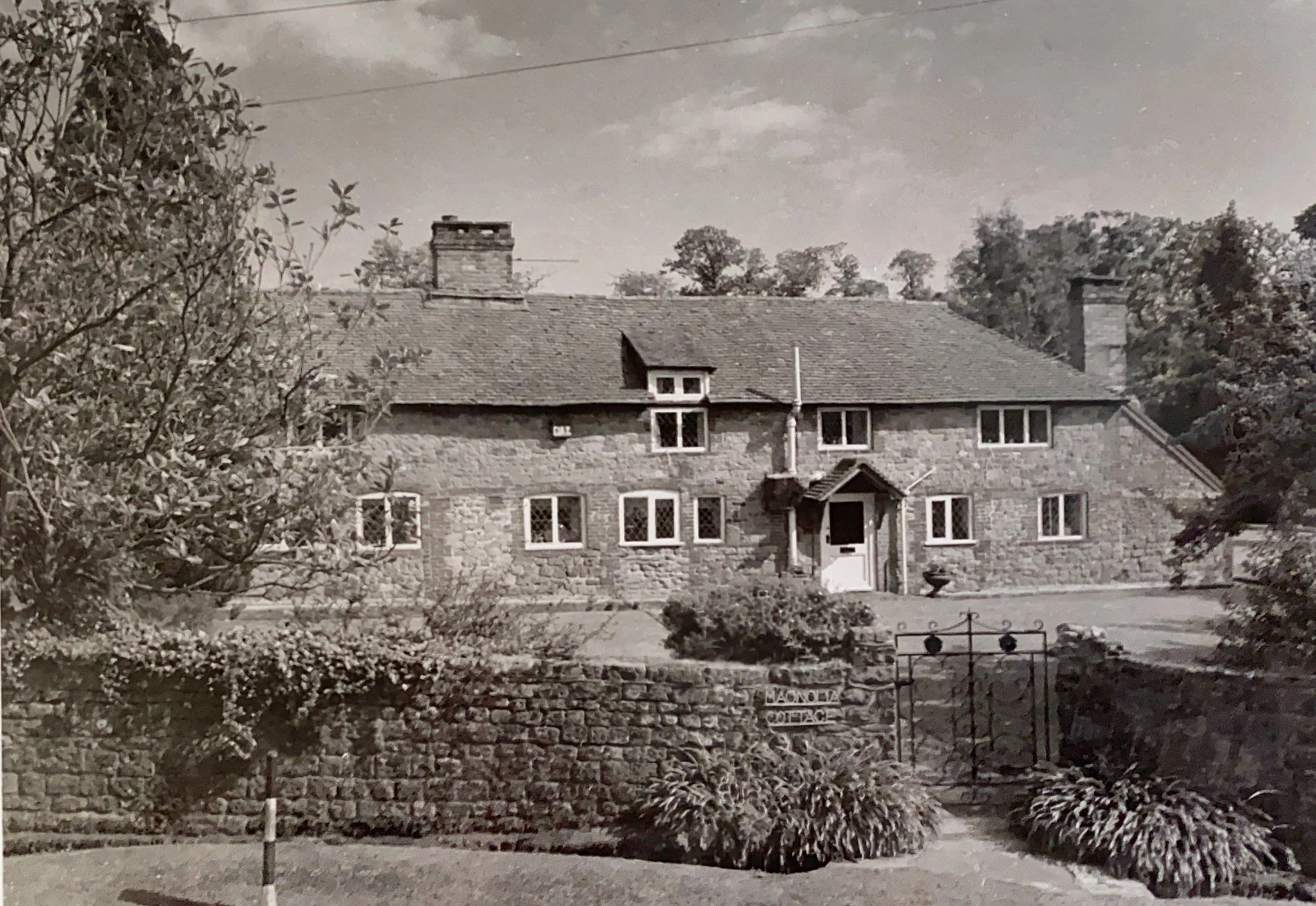
Easebourne, Easebourne Street
Magnolia Cottage
Listed 26.11.87,
Grade II
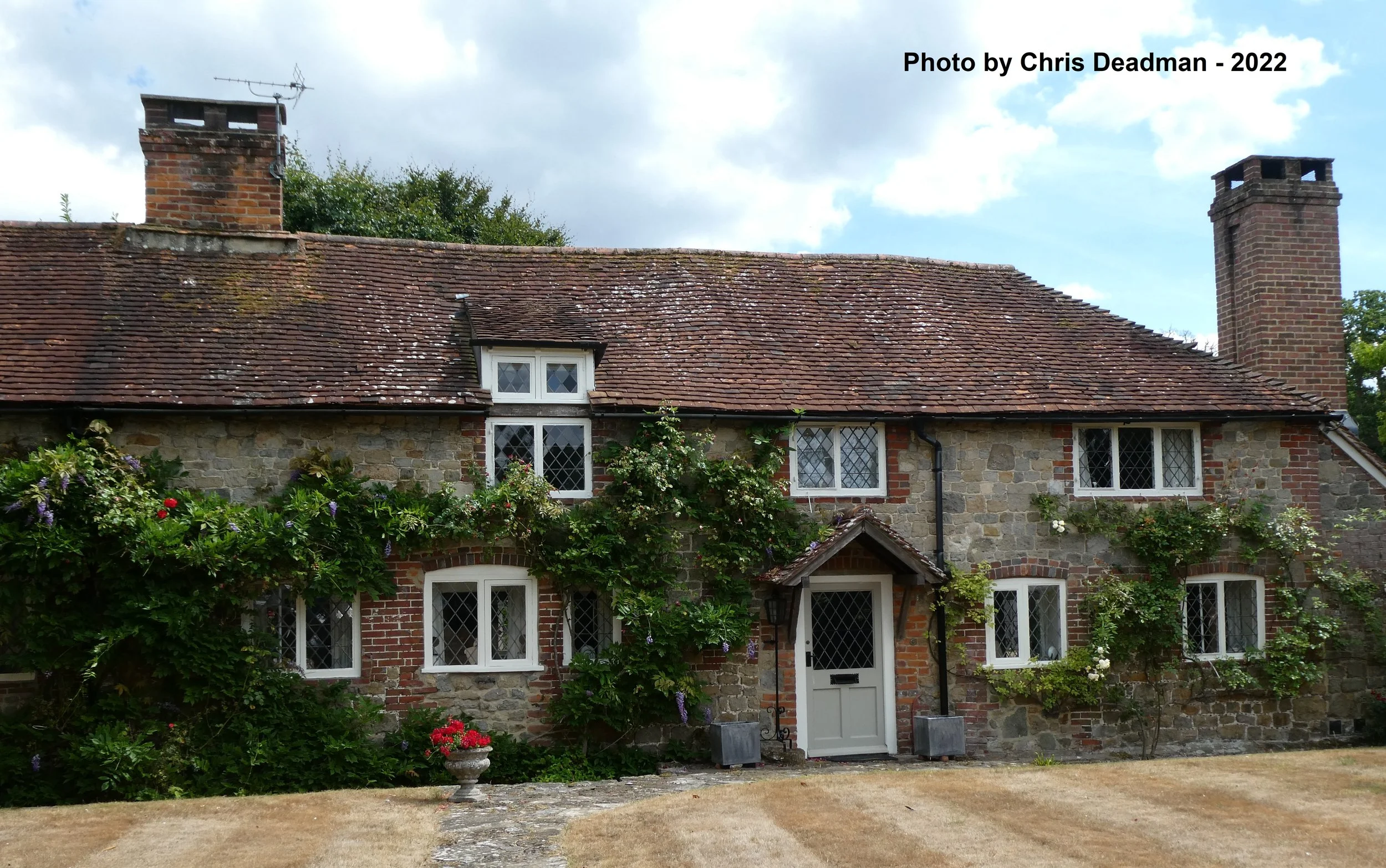
Formerly three cottages, now one house. C17. Uncoursed stone rubble with red brick dressings. Tiled roof. Casement windows. Doorway with modern gabled hood. Two storeys. Six windows.
Listing NGR: SU9021623108
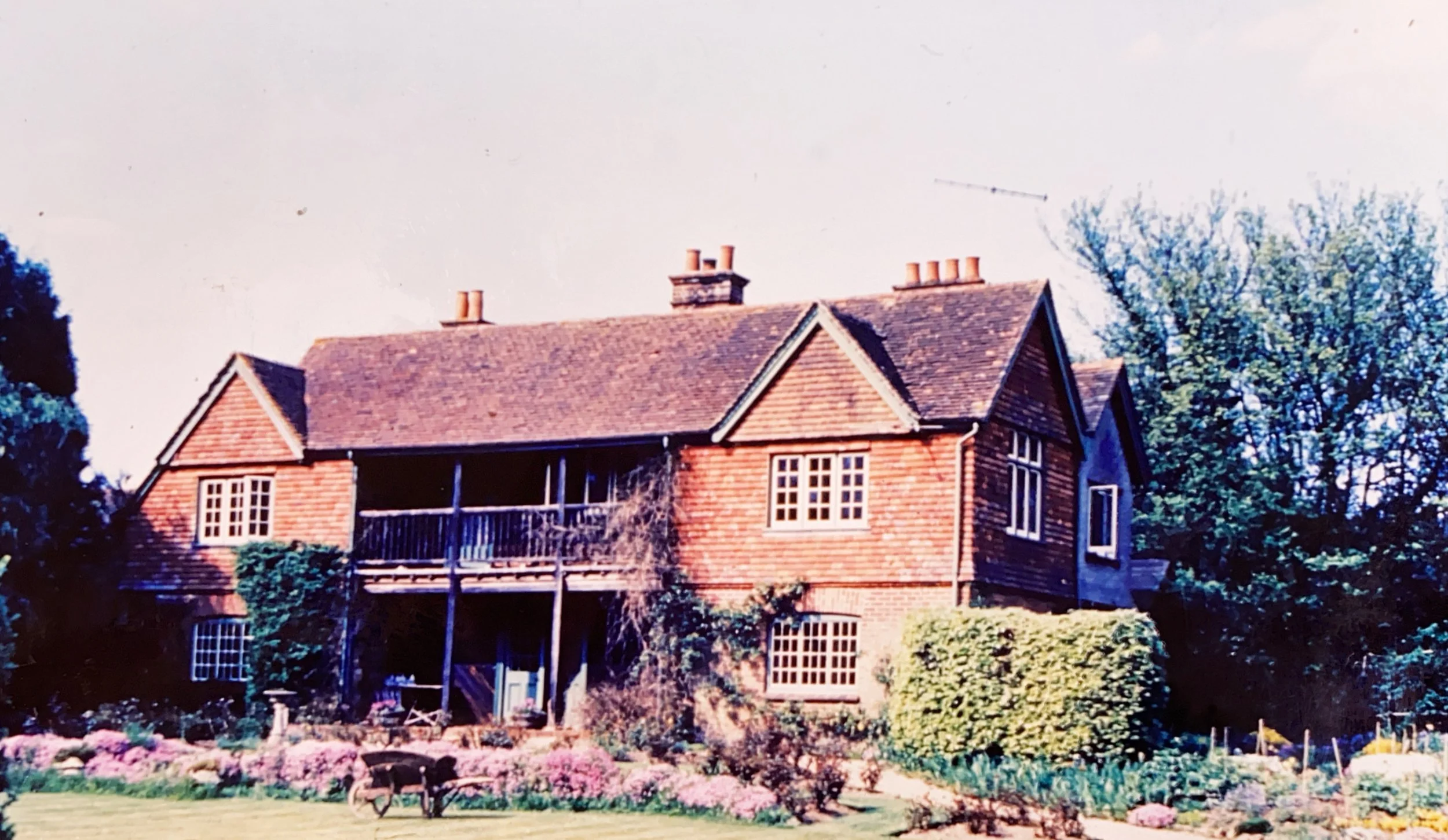
Easebourne, Easebourne Street
Orchard House
Listed 26.11.87, Grade II
House. C17 or earlier timber-framed cottage with stone rubble infilling and curved braces. Tiled roof. Casement windows. Two storeys. Two windows. Modern addition to east.
Listing NGR: SU9033323240
Easebourne Easebourne Street
No C374
Listed 26.11.1987 Grade II
House. C18. Stone rubble with red brick dressings. Tiled roof. Casement windows. Two storeys. Three windows.
Listing NGR: SU9018623103